By Owen Palmer
Updated November 2026
A Summit Viper SD climbing tree stand gives you a quiet, elevated platform for deer hunting when you set it up correctly. This guide walks through choosing the right tree, installing the stand, climbing safely and avoiding the mistakes that cause noise, shifting and falls. Follow the steps in order, and check your manufacturer’s manual for model-specific weight limits and assembly details.
Choose the Right Tree Before You Climb
Pick a tree that is alive, straight and solid. Look for a trunk diameter that falls within the range your stand’s manual specifies, usually measured at about four to five feet above the ground. Avoid dead, cracked or heavily leaning trees, and check for rot by tapping the trunk with a hammer and listening for hollow spots. Confirm the tree has no major limbs in the zone where your stand will sit, and that you have a clear shooting lane toward the bedding and feeding areas you plan to watch.
Shopping for one? See our guide: Summit Viper SD Climber Tree Stand: 5 Best Models for Deer Hunters (2026).
Before you commit to a location, read more about View From Tree Stand: How to Pick the Best Spot for Deer (2026) to make sure the stand sits where deer will actually travel.
Install the Stand and Set the Climbing Sticks
Set the climber’s base against the trunk at a comfortable height, then attach the platform and seat. Keep all straps, cables and fasteners snug and check that nothing rubs or pinches.
- Clear brush, loose bark and dead limbs from the trunk and the ground around it.
- Position the base so the foot platform is level and the strap or cable runs flat against the bark.
- Tighten the straps evenly, then test the base by standing on the first step and bouncing gently.
- Add the platform and seat, and confirm all locking pins or clamps are fully engaged.
- Attach your safety harness to the tree before you leave the ground, and keep it attached at all times while you are above it.
For a more detailed walk through the full process, see How Do You Use a Climbing Tree Stand? A Safe Step-by-Step Guide.
Climb Safely and Stay Attached
Climbing is where most accidents happen, so slow down and use three points of contact at all times. Keep your harness clipped to the tree above your head, and move the climbing sticks or steps one at a time. Never stand on a step that has not been locked in place.
- Wear boots with good tread and keep the soles free of mud.
- Climb in daylight when you are setting up, and avoid climbing in rain, sleet or high wind.
- Carry your bow or rifle on a haul line, not in your hands or on your back.
For further guidance on safe ascent and descent, review Climbing a Tree Stand Safely: A Step-by-Step Guide for Deer Hunters.
Stay Quiet and Stable on Stand
Once you are seated, small noises carry farther than most hunters expect. Keep your movements slow, avoid rattling your gear, and wear clothing that does not snag on the stand or the tree. Re-check the straps and fasteners after the first few hours, because wood and metal settle as temperatures change. If the stand creaks when you shift your weight, tighten the connections before the next sit.
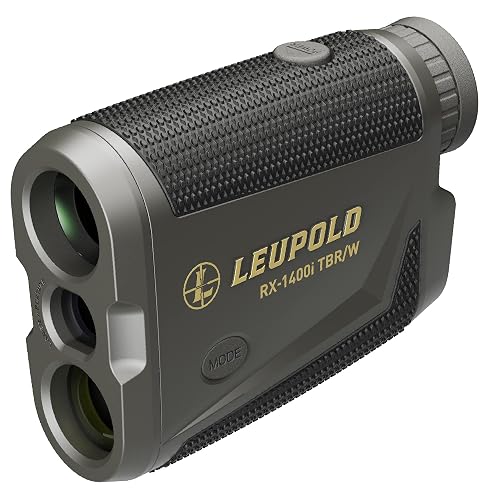
Mind your shooting lane as well. Plan your shot angles before daylight and mark your range with a rangefinder so you are not fumbling for distances when a deer appears.
Common Mistakes to Avoid
- Skipping the harness, or clipping it below your waist where it will not protect you in a fall.
- Installing the stand on a tree that is too small or too large for the model.
- Failing to re-tighten straps and pins after the first day of use.
- Carrying gear up the tree in your hands instead of using a haul line.
- Hanging the stand too high without practicing your shot from that height.
Recommended Gear
A quality safety harness is the most important accessory you can own for any climbing stand. Pair it with a dedicated haul line so you never climb with a loaded bow or rifle in your hands.
- A full-body hunting harness with an adjustable lineman-style strap, which keeps you secured if you slip. View on Amazon
- A haul line rated for hunting, which lets you raise and lower your bow or rifle safely. View on Amazon
- A pair of rubber-soled hunting boots that grip climbing steps and keep your feet dry in wet conditions. View on Amazon
FAQ
How high should I hang a Summit Viper SD climbing tree stand?
Most hunters hang climbing stands between 12 and 20 feet, depending on terrain and cover. Check your manual for the maximum recommended height, and practice shooting from your planned elevation before the season opens.
Do I need a harness if I am only climbing a few feet?
Yes. Falls can happen at any height, and a harness is the only thing that keeps you suspended if you slip. Always wear and clip in your harness from the moment you leave the ground.
How often should I inspect the stand?
Inspect the stand before every hunt, looking at straps, cables, pins and the platform for wear or damage. Consult the manufacturer’s instructions or a qualified professional if you find cracks, bent parts or worn fasteners.
Conclusion
A Summit Viper SD climbing tree stand works best when you pick a sound tree, install it carefully and climb with your harness attached at every step. Take your time with setup, stay quiet on stand and re-check your gear through the season. Your safety and your success both depend on doing these basics right.
Related reading
- Why Does My Heavy Duty Christmas Tree Stand Keep Tipping? 5 Causes and Fixes
- Tree Stand for Birds: How to Set One Up and Attract Them (2026)
Ready to choose one?
About Owen Palmer
Owen Palmer is part of our editorial team and reviews and edits our hunting guides, checking product details against manufacturer specifications and owner feedback.