By Owen Palmer
Updated November 2026
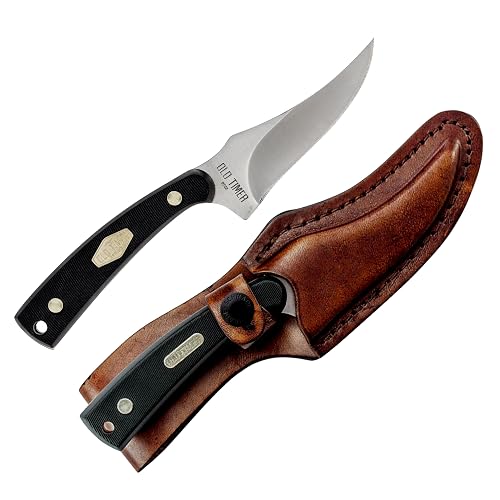
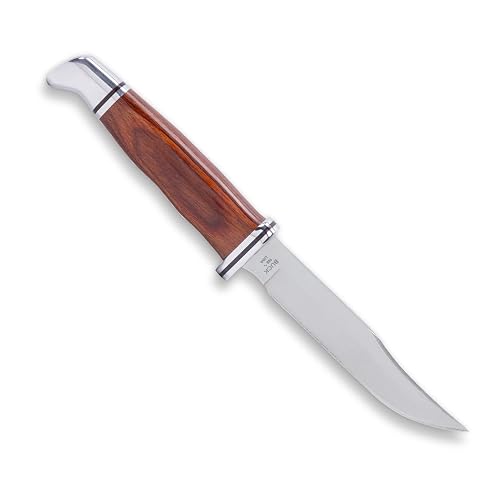
A fixed blade and a folding knife can both handle a day of upland bird hunting, but they suit different hunters. A fixed blade is the stronger, more reliable choice for cleaning birds in rough conditions, while a folding upland bird hunting knife wins on pocket carry and light weight. If you hunt grouse, pheasant or woodcock in thick cover and clean birds often, go fixed. If you carry a knife all day and want something that disappears in a vest pocket, go folding.
| Criteria | Fixed Blade | Folding Knife |
|---|---|---|
| Blade lock-up and strength | Full tang, no pivot to fail | Relies on a lock mechanism |
| Weight and bulk | Heavier, needs a sheath | Lighter, pocket-friendly |
| Ease of cleaning | Simple to wipe and rinse | Pivot and liners need attention |
| Safety in a vest or pack | Sheath keeps the edge covered | Closed blade is safe if locked |
| Typical blade length | About 3 to 4 inches | About 2.5 to 3.5 inches |
Blade Strength and Durability
A fixed blade has no pivot or lock to wear out, which makes it the winner for hunters who expect to put pressure on the knife. Manufacturers often describe full-tang construction as the most durable option for field work. A folding knife can still be tough, but the lock and pivot are the points most likely to loosen over years of use.
Weight and Carry Comfort
The folding knife takes this round. A compact folder rides in a pocket or on a clip without pulling on your vest, and owners often report it feels barely noticeable through a full day in the field. A fixed blade needs a belt or chest sheath, which adds bulk, though many upland hunters find the sheath position comfortable once it is set. For a deeper look, What Is a Fixed Blade Hunting Knife? Uses, Parts and How to Choose covers this in detail.
Cleaning and Maintenance
The fixed blade is easier to keep clean. Without a pivot, you can rinse it, dry it and wipe down the handle with little effort. A folding knife collects blood and grit in the joint, so it needs periodic opening and cleaning to stay smooth. For birds, a fixed blade with a simple handle is the more practical pick.
Safety and Field Handling
Both designs are safe when used properly, but the fixed blade wins for keeping the edge covered when it is not in use. A sheathed knife stays put on a belt. A folder must be locked open while cutting and kept closed when stored, so it asks more of the user. Handle any knife with care, and consult a professional or a hunter education course if you are unsure about safe carry practices. A related read: Laguiole En Aubrac Hunting Knife (2026): Which Should You Choose?.
Pros & Cons
Fixed Blade
- Pro: Strong, with no pivot to fail in the field.
- Pro: Easy to rinse and dry after cleaning birds.
- Con: Heavier and needs a sheath for carry.
Folding Knife
- Pro: Light and compact for pocket or clip carry.
- Pro: Blade stays covered when closed.
- Con: Pivot and lock need regular cleaning.
Which Should You Choose?
Choose a fixed blade if you:
- Clean birds in wet or brushy cover and want the simplest knife to maintain.
- Prefer a sturdy tool that will not loosen with age.
- Don’t mind wearing a sheath on your belt or vest.
Choose a folding knife if you:
- Carry a knife all day and want it out of the way in a pocket.
- Value a lighter setup for long walks through uplands.
- Are willing to clean the pivot and check the lock regularly.
For more on sharpening either style, see Hunting Knife Sharpening Angle: A Step-by-Step Guide for Field-Ready Edges, and for sheath choices see Sheath Knife for Hunting: What to Look for and How to Choose.
FAQ
Is a folding knife strong enough for cleaning upland birds?
Yes, for small game like grouse, pheasant and woodcock, a well-built folder handles the work well. Keep the pivot clean and check the lock before each hunt.
What blade length works best for upland birds?
Many hunters prefer a blade about 3 inches long. Shorter blades give more control around small birds, and longer blades can feel awkward in tight cover.
Do I need a sheath for a fixed blade knife?
A sheath is strongly recommended. It protects the edge, keeps the blade from snagging on brush and makes carry safer while you walk.
Conclusion
The fixed blade is the better choice for durability and easy cleaning, while the folding knife wins on weight and pocket carry. Match the knife to how you hunt and how often you clean birds. Either style, kept sharp and clean, will serve you well through the upland season.
Related reading
- Where Can I Buy a Hunting Knife Online in Australia? 5 Tips
- What Is the Bone Edge Hunting Knife? Features, Uses and Buying Tips
- Tramontina Brazil Hunting Knife: 7 Best Picks Compared (2026)
About Owen Palmer
Owen Palmer is part of our editorial team and reviews and edits our hunting guides, checking product details against manufacturer specifications and owner feedback.