By Owen Palmer
Updated November 2026
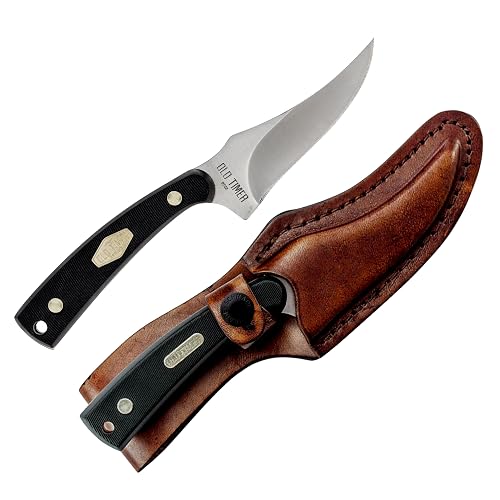
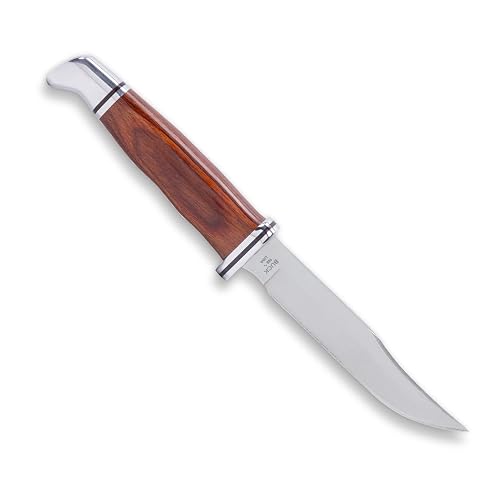
If you are asking what is considered a hunting knife, the short answer is a sturdy blade built for field dressing, skinning, and cutting through game and brush. Fixed-blade knives win for most big-game hunters who want strength and reliability. Folding knives suit hunters who value pocket carry and a lighter daily load, provided they accept a bit less toughness. If you want more background, see What Is a Fixed Blade Hunting Knife? Uses, Parts and How to Choose.
| Criterion | Fixed-Blade Hunting Knife | Folding Hunting Knife |
|---|---|---|
| Blade lock-up | Solid tang, no moving parts | Lock mechanism that can wear over time |
| Typical blade length | 3 to 5 inches | 2.5 to 3.5 inches |
| Field dressing strength | Strong, handles bone contact | Adequate for light work |
| Carry method | Belt sheath | Pocket or belt clip |
| Cleaning access | Easy to wash and dry | Pivot area needs more attention |
Blade Design and Length
Most hunters consider a drop-point or clip-point blade between 3 and 4 inches the standard for a hunting knife. That length gives control for skinning without being unwieldy around the body cavity. Fixed blades hold this profile without compromise, so they take the win here. Folding knives can match the length, but the handle must hold a closed blade, which usually keeps them shorter.
Strength and Durability
A fixed blade with a full tang is the most dependable option for cutting through cartilage or prying at joints. Because there are no pivots or locks to fail, the blade stays rigid under load. Folding knives are fine for everyday tasks, but their locking mechanisms are a weak point when you are working hard in cold, wet conditions. Fixed blades win on durability.
Carry and Convenience
A folding knife slides into a pocket and disappears, which matters on long walks to a stand or during a multi-day trip. Fixed blades need a sheath on your belt, and that adds bulk. For everyday carry and quick tasks around camp, the folding knife wins on convenience.
Cleaning and Maintenance
Blood, fat, and grit get into pivots and lock parts, and those areas need regular cleaning and oiling. A fixed blade can be rinsed, dried, and wiped down in a minute. Simplicity makes the fixed blade the better choice for hunters who field dress often.
Pros & Cons
Fixed-blade hunting knife
- Pro: Rigid, solid construction that handles heavy cutting and bone contact.
- Pro: Easy to clean and dry in the field.
- Con: Requires a sheath and belt carry, which adds bulk.
Folding hunting knife
- Pro: Compact and easy to carry in a pocket.
- Pro: Handy for light tasks and everyday use around camp.
- Con: Lock and pivot can wear or collect debris over time.
Which Should You Choose?
- Choose a fixed blade if you field dress big game, skin deer regularly, or want a knife you can rely on in tough conditions. A solid option is the Buck Knives 103 Pathfinder, which is widely recognized as a traditional fixed-blade hunting knife. View on Amazon
- Choose a folding knife if you want pocket carry for walking, glassing, and light camp chores. The Benchmade Bugout is a well-known compact folder many hunters carry as a daily companion. View on Amazon
For a deeper look at fixed designs, see Knife for Deer Hunting: A Step-by-Step Guide to Choosing and Using One and Sheath Knife for Hunting: What to Look for and How to Choose. If you are weighing folders against fixed blades in more detail, Knife Hunting and Fishing (2026): Fixed Blade vs Folding Knife, Which Is Better? covers the same trade-offs.
FAQ
Is a folding knife acceptable for hunting?
Yes, for light tasks and carry. Many hunters use a folder as a backup, but for heavy field dressing a fixed blade is the more dependable choice. For another angle, check out Fixed Blade vs Folding Upland Bird Hunting Knife: Which Should You Choose?.
What blade length is best for a hunting knife?
Most hunters find 3 to 4 inches comfortable for skinning and general cutting. Longer blades can work but reduce control in tight spaces. For another angle, check out Best Blade Angle for Hunting Knife: 15 vs 20 Degrees Per Side Compared.
Do I need a special sharpening angle?
Many hunting knives perform well at a moderate edge angle. Check the manufacturer’s guidance for your specific blade before sharpening.
Conclusion
A hunting knife is generally a fixed or folding blade of moderate length built to cut game and handle field work. Fixed blades are the strongest choice for serious big-game hunting, while folders suit pocket carry and light tasks. Match the knife to the work you do most, and keep it clean and sharp.
About Owen Palmer
Owen Palmer is part of our editorial team and reviews and edits our hunting guides, checking product details against manufacturer specifications and owner feedback.