By Owen Palmer
Updated November 2026
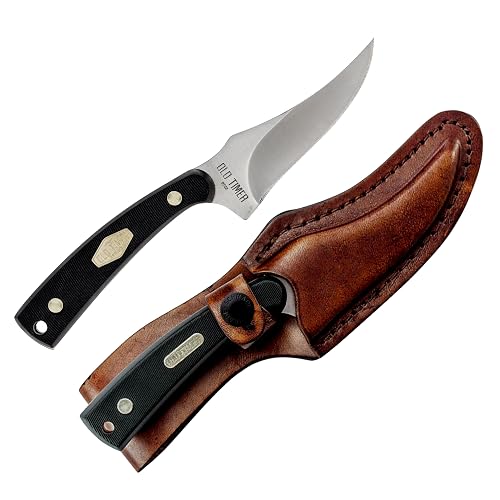
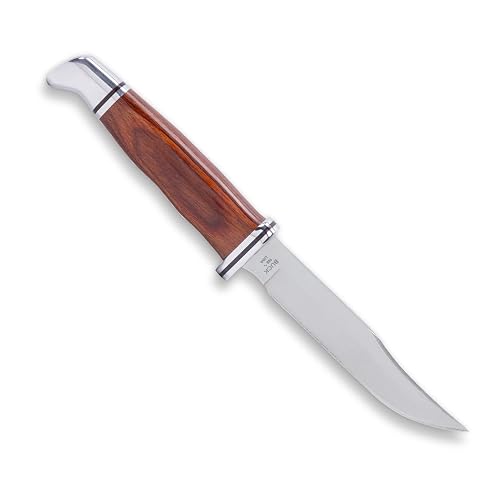
A fixed blade hunting knife is a knife with a blade that is permanently attached to the handle, with no hinge, lock or moving parts. The blade and tang are one rigid unit, which makes it stronger and more predictable under load than a folding knife. Most hunters carry one in a belt sheath for field dressing, skinning and processing game. A related read: How to Sharpen Hunting Knife with Stone: A Practical Guide (2026).
Why the Fixed Design Matters in the Field
Because there is no pivot or lock mechanism, a fixed blade cannot fold on your fingers or loosen during heavy cutting. When you are working through a deer’s rib cage or cutting through hide and cartilage, that rigidity lets you apply steady pressure without worrying about the blade shifting. Owners also tend to find them easier to clean, since blood and fat can work into a folder’s joint and lock area.
Key Factors That Define a Good Fixed Blade
Several features separate a useful hunting knife from a generic one:
- Blade length: Many hunting models fall between about 3 and 5 inches. Shorter blades give more control for detail work like caping; longer ones handle larger animals.
- Steel: Stainless and high-carbon steels are common. Carbon steel takes a sharper edge and is easier to resharpen, but it needs drying and oiling to prevent rust.
- Full tang construction: A tang that runs the full length of the handle adds strength and balance. Manufacturers often specify it as a key durability feature.
- Handle material and grip: Textured rubber, micarta or G10 stay grippy when wet. Smooth wood or polished metal can become slippery during field work.
- Blade shape: A drop point is a versatile all-purpose shape. A clip point or a gut hook may suit specific tasks, but simpler shapes are usually easier to maintain.
How to Choose and Use One Well
Match the knife to your main task. If you mostly field dress deer, a sturdy 4-inch drop point with a textured grip covers most jobs. Carry it in a sheath that holds the blade securely and keeps the edge protected, and check that the sheath still locks the knife in place after a season of use.
- Decide what you will cut most often: small game, big game or processing.
- Pick a blade length that suits your hands and the animals you hunt.
- Choose a steel type you are willing to maintain.
- Test the grip with gloves on, since hunting often happens in cold, wet conditions.
- Sharpen before the season and carry a small stone or ceramic rod for touch-ups.
For a deeper comparison of the two designs, see Folding vs Fixed Blade Hunting Knife (2026): Which Is Better for Field Use? and What Is Considered a Hunting Knife? Fixed Blade vs Folding Knife (2026). If you are weighing where to carry it, Can I Carry a Hunting Knife on My Belt? Fixed Blade vs Sheath Carry Compared covers the practical options.
What We’d Use
A well-known option for skinning and field dressing is the Benchmade Saddle Mountain Skinner, a fixed blade with a drop-point style skinning profile. View on Amazon
For a more budget-friendly fixed blade, the Morakniv Companion is a widely recognized carbon steel option with a simple, durable design. View on Amazon
FAQ
Is a fixed blade better than a folding knife for hunting?
Neither is better in every case. Fixed blades are generally stronger and easier to clean, while folders are more compact. Many hunters carry a fixed blade for field dressing and a folder for everyday tasks.
What blade length is best for a fixed blade hunting knife?
Most hunters find a blade between about 3 and 5 inches suits general field work. Choose based on the size of game you hunt and the detail work you do. Once Human Hunting Knife: What It Is and How to Pick One goes further into this.
How do I keep a fixed blade from rusting?
Dry the blade after each use, wipe it with a light coat of oil, and store it in a dry sheath. Carbon steel needs this care more than stainless. If you have questions about your specific steel, a knife maker or retailer can give guidance.
Related reading
Ready to choose one?
About Owen Palmer
Owen Palmer is part of our editorial team and reviews and edits our hunting guides, checking product details against manufacturer specifications and owner feedback.