By Owen Palmer
Updated November 2026
The puma skinner hunting knife is a traditional fixed blade built around a classic skinning profile, a full tang and a genuine stag handle. It suits hunters who field dress deer, elk or hogs and want a knife with a long history and a conventional feel in the hand. It is less suited to buyers who want a lightweight modern synthetic handle, a rust-proof stainless blade for saltwater use, or a folding knife for carry convenience. This review looks at the specifications as listed, what owners commonly report, and how it compares with two well-known skinners.

PUMA Skinner Hunting Knife – The Classic Skinning Knife – Handmade in Solingen, Germany – Genuine Stag Handle – 5.1” Blade, 9.4” Overall Length – Full Tang – Includes Premium Saddle Leather Sheath
Product Overview
This PUMA model is listed as a classic skinning knife handmade in Solingen, Germany, a city long associated with knife production. The listing describes a 5.1-inch blade with a 9.4-inch overall length, a full tang construction and a genuine stag handle. It ships with a premium saddle leather sheath. The design follows the traditional skinner pattern: a relatively short, slightly curved blade intended for opening the hide and separating it from the carcass with controlled strokes.
Skinners of this style have been used by hunters for generations because the blade geometry keeps the edge close to the hide while the point stays accessible. Hunters who process their own game tend to value this more than raw blade length. If you are new to skinning knives in general, the guide to Skinning Knife for Hunting: How to Choose and Use One (7 Steps) explains the core geometry in more depth.
The handmade, German-made positioning will appeal to buyers who value traditional craftsmanship. It also means the knife is aimed at users who accept routine maintenance, particularly oiling and drying, in exchange for a steel and handle combination that feels distinct from mass-produced fixed blades.
Key Features & Specifications
The table below lists only the specifications stated in the product name and listing summary. Details not confirmed in those sources have been left out.
| Feature | Specification |
|---|---|
| Brand | PUMA |
| Knife type | Fixed blade skinning knife |
| Blade length | 5.1 inches |
| Overall length | 9.4 inches |
| Construction | Full tang |
| Handle material | Genuine stag |
| Country of manufacture | Germany (Solingen) |
| Included | Premium saddle leather sheath |
Because the blade is 5.1 inches and the overall length is 9.4 inches, the handle occupies roughly 4.3 inches. That is a useful proportion for a skinner, giving enough grip length for a sustained, controlled cut without the knife feeling unwieldy. Manufacturers typically specify steel type and hardness for knives in this class; check the listing for any steel details before purchase, since they affect sharpening and corrosion resistance.
Pros & Cons
Pros
- Traditional skinner profile suited to field dressing and hide removal.
- Full tang construction is generally associated with greater strength and durability in a fixed blade.
- Genuine stag handle offers a natural grip texture and a classic look that many hunters prefer.
- German manufacturing in Solingen supports a reputation for careful forging and finishing.
- Includes a saddle leather sheath, so the knife is ready to carry out of the box.
- Moderate overall length makes it easy to carry on a belt or in a pack.
Cons
- Stag handles require periodic oiling and care, and can be damaged by prolonged moisture or heat.
- Carbon-style blades, if used, need prompt drying and oiling to prevent staining or rust.
- The short blade is not suited to heavy chopping or splitting tasks.
- Handmade pricing positioning means it is not a budget pick.
- Leather sheaths can stiffen in cold weather and need occasional conditioning.
Performance Analysis
Performance for a skinning knife comes down to three things: how well the edge holds while cutting through connective tissue, how comfortable the grip is through repeated use, and how well the knife stays secure during wet, bloody work. The specifications suggest a design built for those tasks. A 5.1-inch blade is long enough to open a deer from brisket to pelvis in controlled passes, and short enough to keep the cutting edge visible and manageable.
Owners of traditional German-style skinners commonly report that the blade’s profile allows a low, shallow cutting angle that reduces the risk of puncturing the hide or gut. The full tang is intended to keep the blade and handle as one solid piece, which matters when you apply pressure while working around joints. Stag handles are often described as grippy when wet, though some hunters find them slightly less forgiving than textured synthetics if the surface is worn smooth.
Edge retention and corrosion resistance depend heavily on the steel, which the listing does not fully detail in the summary. Users of carbon-steel skinners generally report excellent edge response when sharpened, but they also report that the blade needs wiping and oiling after each session. If you plan to use the knife in humid or coastal conditions, factor that maintenance into your decision. For sharpening guidance, the article on What Angle to Sharpen Hunting Knife: 20 Degrees Per Side for Field Edges (2026) covers a practical approach for field edges.
Ergonomics are subjective. The stag handle and roughly 4.3-inch grip suit a standard adult hand, but hunters with very large hands may want to test the feel in person. The sheath is a traditional saddle leather design; owners frequently note it holds the knife securely but benefits from a light conditioning treatment after the first few weeks of use.
Who Should Buy This Product?
This knife makes sense for hunters who process their own deer, elk or similar game and want a traditional skinner with a well-regarded German pedigree. It also suits collectors and outdoorsmen who value natural materials and do not mind the maintenance that stag and carbon steel require. If your work is mostly routine field dressing and you are comfortable oiling your tools, this knife fits well.
You should skip this knife if you need maximum corrosion resistance for saltwater fishing or marine hunting, if you want a fully synthetic handle that ignores moisture and temperature, or if your main need is a heavy chopping knife. Hunters who want a rugged, low-maintenance blade for mixed outdoor tasks may be better served by a different style entirely. For a broader look at how skinning and utility knives differ, see What Is a Fixed Blade Hunting Knife? Uses, Parts and How to Choose.
Buying Guide
Before buying any skinning knife, decide what you will actually do with it. Field dressing, skinning, caping and general camp use all place different demands on blade length, point shape and handle security. A 4- to 5-inch skinner suits most big-game work, while longer blades suit larger animals or utility tasks. Check whether the blade is stainless or carbon, since that choice shapes your cleaning routine.
Handle material matters as much as steel. Stag offers a traditional look and texture, while micarta, G10 and other synthetics offer predictable performance in wet and cold conditions. Full tang construction is generally preferred for fixed blades that will see hard use, because the steel runs the full length of the handle. Sheath quality is worth a look too: a secure retention system and a belt loop that matches your carry style prevent the knife from shifting or falling out during a long walk.
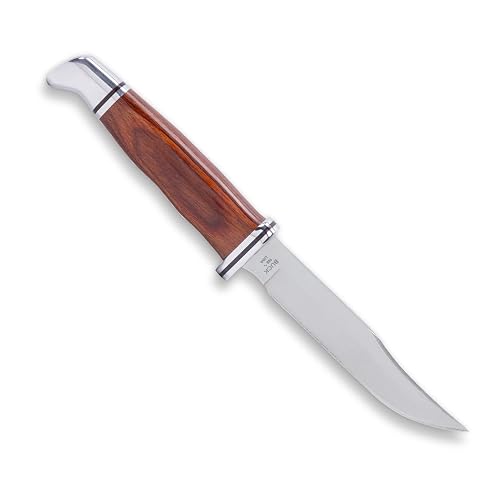
If the PUMA model does not match your priorities, two well-known alternatives are worth comparing. The Buck Knives 103 Skinner is a widely available fixed skinner with a 4-inch 420HC stainless blade and phenolic handle, and it is often chosen by hunters who want stainless steel and a lighter, weather-resistant grip.

Buck KnivesStrong Full Tang Design, 4" Skinner 420HC Stainless Steel Blade, Phenolic Handle, Fixed Outdoor Knife Made in the USA 103 Skinner Hunting Knife with Sheath, Black, 4.3 oz
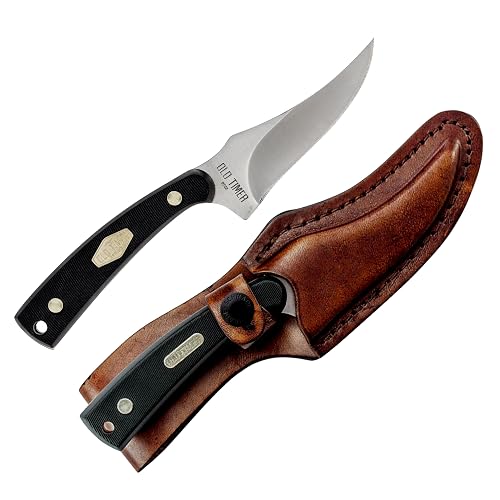
The Old Timer 158OT Guthook Skinner is a traditional-style option with a 3.5-inch high carbon blade and sawcut handle. It is compact and suited to hunters who want a smaller skinner for detailed work and camp tasks.

Old Timer 158OT Guthook Skinner 7.3in High Carbon S.S. Full Tang Fixed Blade Knife with 3.5in Blade and Sawcut Handle for Outdoor, Hunting and Camping
For a broader comparison of fixed blade options, see 6 Best Benchmade Saddle Mountain Skinner Knife G10 Hunting Fixed Blades (2026): Our Picks.
FAQ
Is the PUMA skinner hunting knife good for field dressing deer?
The 5.1-inch blade and traditional skinner profile are well suited to field dressing and hide removal. Many hunters pair a skinner like this with a separate gut hook or a larger knife for heavier cutting.
Does the knife come with a sheath?
Yes. The listing states it includes a premium saddle leather sheath.
Is the handle genuine stag?
The listing describes a genuine stag handle. Stag is a natural material, so each handle will show slight variation in grain and color.
How should I care for a stag-handled knife?
Wipe the knife dry after use, keep the blade oiled, and avoid soaking the handle. Light periodic oiling helps prevent drying and cracking. Consult the manufacturer’s care instructions for specific recommendations.
Is the blade stainless or carbon steel?
The listing summary does not specify the steel type. Check the full product details or contact the seller before buying if steel choice matters to you.
Can this knife be used for camping and general outdoor tasks?
It can handle light camp tasks such as cutting rope, food prep and simple cordage work. It is not designed for heavy chopping or batoning.
Where is the PUMA skinner made?
The listing states it is handmade in Solingen, Germany.
Is this knife suitable for beginners?
Beginners can use it, but skinning technique matters more than the knife itself. Practice on smaller game or a training carcass first, and keep the edge sharp to reduce the risk of slips.
Related reading
About Owen Palmer
Owen Palmer is part of our editorial team and reviews and edits our hunting guides, checking product details against manufacturer specifications and owner feedback.