By Owen Palmer
Updated November 2026
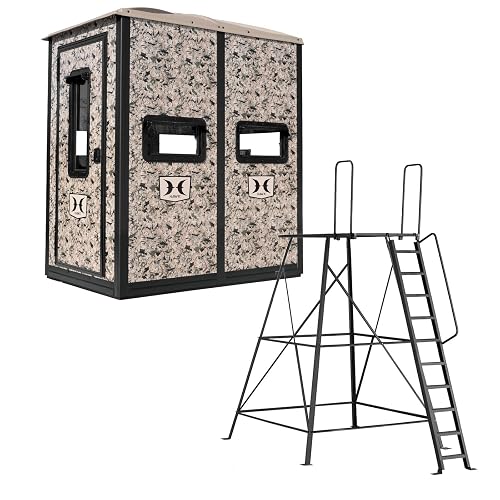
Camo hunting blind material is the fabric or panel covering that hides you from deer while keeping you dry, quiet and comfortable. In this guide you will learn how the most common materials differ, how to match a material to your terrain and season, and how to test a fabric before you commit. By the end, you should be able to pick a covering that breaks up your outline, holds up to weather and stays quiet when you move.
What Camo Hunting Blind Material Needs to Do
A blind covering has four jobs. It must break up the shape of a person, match the colors and textures around it, reduce sound when wind or movement presses against it, and last through a full season of sun, rain and temperature swings. Many hunters focus only on the pattern, but a fabric with a great pattern that flaps loudly or fades to white in two months will cost you more deer than a plainer option that performs well.
Shopping for one? See our guide: Bow Hunting Box Blind: 5 Best Picks for Deer Hunters (2026).
Visual concealment
Deer see differently than people. They are sensitive to movement and to sharp contrast, and they are fairly good at spotting shapes that break the horizon line. A covering that is too dark stands out as a black mass against bright sky. A covering that is too light reflects in morning and evening sun. Good material mimics the tones of the surrounding brush at the height you will be sitting.
Sound and movement
Crinkly, stiff fabrics make noise when the wind moves them or when you shift in your seat. Soft, brushed or woven materials are generally quieter. Pay attention to how the cover behaves when the wind picks up, because that is when your blind is most likely to be heard.
Durability and weather
UV exposure breaks down dyes and coatings over time. Water resistance matters in wet climates, and mildew can become an issue in humid areas if the fabric does not dry quickly. Manufacturers typically specify denier ratings, coatings and warranty terms, and those specifications are worth reading closely.
Step 1: Identify Your Terrain and Season
Before you shop, look at the environment where the blind will sit. Hardwood ridges in late fall have different colors than cedar thickets, cutover pine or flooded timber. Leaf-off conditions in December make bare branches and gray tones more important than green foliage.
Match the pattern to the background
- Hardwood timber, leaf-on: mottled greens and browns with leaf-shaped breakup.
- Leaf-off hardwoods: grays, tans and bark-like textures.
- Grasslands and fields: tan, khaki and muted earth tones with a vertical grass element.
- Pine and cedar: dark greens with needle-like or irregular shapes.
- Snow country: white or snow-pattern coverings, or a neutral gray that works in both snow and bare timber.
Check the light
Stand inside your intended blind location at first light and at last light. Look at how the sun hits the fabric. Matte finishes reduce glare. If you see a bright spot in the morning, a non-reflective weave will help.
Step 2: Compare the Main Material Types
Most blind coverings fall into a few categories. Each has trade-offs in weight, noise, breathability and cost.
| Material type | Strengths | Weaknesses | Best use |
|---|---|---|---|
| Polyester blend mesh | Lightweight, breathable, see-through from inside | Can fray, less wind-resistant | Ground blinds and warm-weather sits |
| Heavy woven polyester | Quiet, durable, blocks wind | Heavier, can trap heat | Cold-weather and permanent setups |
| Brushed or fleece-lined fabric | Very quiet, insulating | Can hold moisture, bulkier | Late-season and cold sits |
| Coated vinyl or PVC panels | Waterproof, easy to clean | Can be loud, reflective, stiff | Hard-side blinds where durability matters most |
| Netting or burlap-style | Natural look, breaks up outline well | Degrades faster, less wind-proof | Brush-heavy natural setups |
Step 3: Evaluate Pattern and Color Quality
Hold the fabric at arm’s length and walk away from it. A good pattern looks like part of the woods at 20 to 30 yards, not like a printed square. Check whether the pattern has three to five tones with irregular edges. Solid colors and very large, repeating motifs tend to stand out.
Test in natural light
Fluorescent store lighting can distort colors. Take a swatch outside under open sky, then place it against real branches or leaves. Compare it to the actual surroundings where you plan to hunt.
Check the back and edges
Look at how the pattern wraps at seams and corners. Gaps or obvious stitching lines can break up a blind’s outline. Reinforced edges prevent fraying and help the covering keep its shape.
Step 4: Test Noise and Movement
Before you attach the material permanently, handle it. Crumple a small piece in your hand. Listen to it. Then shake the fabric gently and imagine a 10 mph gust across it. If the cover makes a sharp rustle, consider a softer weave or an added liner.
Checklist for a quiet install
- Use hook-and-loop strips or grommets rated for the fabric weight.
- Leave slight slack so the cover does not snap taut in wind.
- Tape or fold any loose edges that could flap at shooting angles.
- Test your shooting windows by sitting inside and moving slowly.
Step 5: Plan Shooting Lanes and Viewing Windows
Your covering must not only hide you but also allow clean shots. Mark your primary and secondary lanes from inside the blind. Cut or unzip openings only where you need them, and keep them as small as practical. A window that is too large lets in light and motion; one that is too small restricts your draw.
For more on window options and placement, see Window for Hunting Blind: How to Choose and Install the Right One.
Step 6: Manage Scent and Maintenance
Fabric can hold odors from sweat, smoke and food. Wash covers according to the manufacturer’s directions, using unscented detergent, and let them air dry completely before storing. Store the material in a sealed bag in a dry area. Mildew is a common cause of early failure in damp climates.
Inspect the cover before each season. Look for thin spots, UV fading, torn seams and loose attachment points. Replace worn panels before they fail in the middle of a sit.
Common Mistakes
- Choosing by photo alone. Always test a swatch outdoors against real cover.
- Ignoring sound. A quiet pattern beats a loud one that looks slightly better.
- Using high-contrast colors. Stark black or white shapes stand out at close range.
- Pulling the cover too tight. Tension amplifies noise and can tear grommets.
- Forgetting the season. Summer greens look wrong in November timber.
- Leaving openings too large. Excess gaps reveal movement and light.
Recommended gear
Good covering material is only part of a solid setup. These tools help you install and maintain it.
- Heavy-duty hook-and-loop strips: allow quick removal and replacement of panels without tearing fabric. View on Amazon
- Grommet setting kit: lets you add reinforced attachment points to new or existing fabric for a tighter, quieter fit. View on Amazon
- Pop-up mesh camo netting: useful as a supplemental cover for brush breakup over a blind’s frame. View on Amazon
- Unscented laundry detergent for outdoor gear: helps keep covers clean without leaving added odor. View on Amazon
FAQ
What is the best camo pattern for a hunting blind?
The best pattern matches your local vegetation and season. Mottled, irregular patterns with three to five tones generally perform better than large, bold prints. Test a swatch against real cover before buying.
Is mesh or solid fabric better for a ground blind?
Mesh is lighter and breathable and lets you see out easily, which is helpful in warm weather. Solid woven fabric blocks more wind and usually runs quieter in gusts, so many hunters prefer it for cold-weather sits.
How do I stop my blind cover from making noise?
Leave slight slack, use soft-weave or brushed fabrics where possible, and secure loose edges with hook-and-loop strips. Test the setup by handling the cover and simulating wind before the season.
How often should I replace blind material?
Replace it when you see thin spots, persistent fading, torn seams or mildew that does not wash out. The timeline depends on UV exposure and how much use the blind gets. Inspect it before every season.
Can I use leaf-on camo in late season?
It is usually a poor match once leaves drop. Switch to grays, tans and bark-like patterns, or add natural brush and cover to blend a leaf-on pattern into bare timber.
Should camo material be washed?
Yes, if the manufacturer allows it. Use unscented detergent, rinse thoroughly and air dry completely. Washing removes dirt and scent residue that can build up over time.
Does color matter more than pattern?
Both matter, but color that matches the surrounding tones is often more important at close range. A pattern with the right color palette will usually outperform one with a good shape but mismatched colors.
Conclusion
Choosing camo hunting blind material comes down to matching pattern and tone to your terrain, selecting a fabric that fits your weather and sound needs, and testing it before the season opens. Spend time evaluating swatches outdoors, check noise under simulated wind and plan your shooting openings carefully. A well-chosen covering keeps you hidden, quiet and dry through the whole season.
Related reading
- Wood Stove for Hunting Blind: 7 Safety Steps for Warm Deer Season Sits
- Why Is My Outta Site Hunting Blind Not Working? 6 Causes and Fixes
Ready to choose one?
About Owen Palmer
Owen Palmer is part of our editorial team and reviews and edits our hunting guides, checking product details against manufacturer specifications and owner feedback.