By Owen Palmer
Updated November 2026
Making a hunting knife from a file is a practical project for anyone who likes working with steel, but it is not the only way to get a reliable blade. A file-made knife suits a hands-on builder who has time and patience. A purchased fixed blade suits a hunter who needs a dependable tool before the next season opens. Both can field dress deer well if the edge is right. A related read: Laguiole En Aubrac Hunting Knife (2026): Which Should You Choose?.
| Criteria | Knife made from a file | Purchased hunting knife |
|---|---|---|
| Time to get a usable blade | Several evenings to a few weekends | Ready as soon as it arrives |
| Steel quality control | Depends on the file’s steel and heat treatment | Steel and hardness usually specified by the maker |
| Customization | Full control over shape, grind and handle | Limited to the models offered |
| Skill required | Filing, grinding, heat treating, handle work | Basic sharpening only |
| Warranty and support | None beyond your own work | Manufacturer warranty in most cases |
| Best for | Builders and hobbyists | Hunters who want a tool now |
Blade Steel and Heat Treatment
A file is usually high-carbon steel, but its exact alloy is unknown, and files are often hardened for abrasion rather than flex. Many builders anneal the file, grind the shape, then re-harden and temper it, which takes care and a source of reliable heat. A purchased knife lists its steel and hardness, so you know what you are getting. Winner: purchased knife for predictable performance.
Shape and Customization
When you make a hunting knife from a file, you choose the drop point, clip point or skinning profile and set the blade length, often around 3 to 4 inches for field work. You can also match the grip to your hand. Ready-made knives give you fewer choices but a tested design. Winner: file-made knife for a custom fit. If you want more background, see Victorinox Swiss Army Hunting Knife (2026): Which Should You Choose?.
Time, Tools and Skill
A file knife needs a bench grinder or hand files, clamps, a way to heat the steel evenly, and a method to check hardness. Expect a learning curve, and plan for spoiled blades. A purchased knife needs only a sharpening stone or guided sharpener. Winner: purchased knife for hunters short on time.
Edge Retention and Field Performance
Edge retention depends on hardness, steel and how well the bevel was ground. A well-tempered file knife can hold an edge through a field dressing session, but an uneven grind or poor heat treatment shows quickly. Purchased knives from established makers generally have consistent edges out of the box. Winner: purchased knife for consistent results.
Pros & Cons
Knife made from a file
- Pro: Full control over shape, length and handle fit
- Pro: A satisfying project that teaches blade geometry
- Con: Results depend heavily on your heat treatment skill
Purchased hunting knife
- Pro: Known steel and hardness, ready to use
- Pro: Manufacturer warranty and support
- Con: Limited customization and less personal connection
Which Should You Choose?
- Choose a file-made knife if you enjoy metalwork, have a shop setup, and want a one-off blade for a specific task.
- Choose a purchased knife if you need a dependable tool for the next hunt and want documented steel.
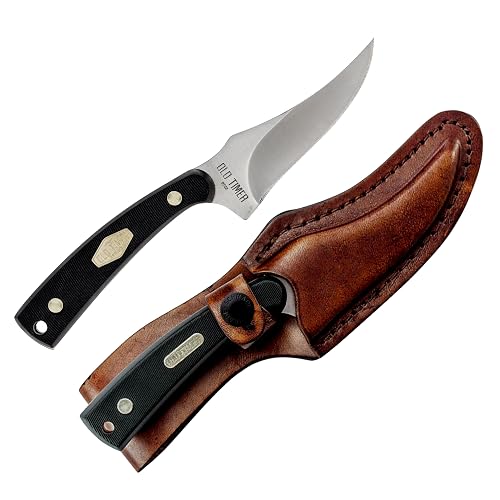
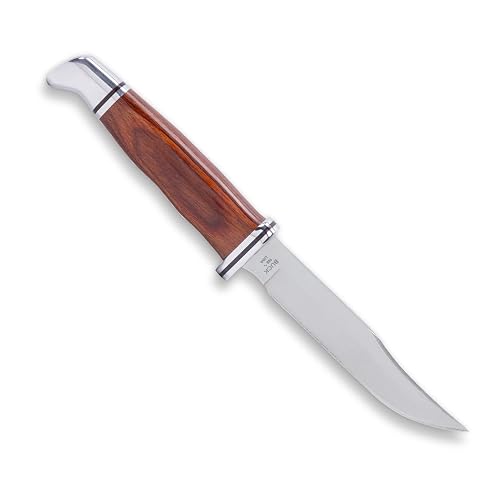
For a ready-made option, look at a fixed blade like the View on Amazon. If you prefer to build your own, a sturdy file blank and a View on Amazon will help you finish a usable edge.
For sharpening guidance, see Hunting Knife Sharpening Angle: A Step-by-Step Guide for Field-Ready Edges, and for choosing a skinning profile, read Skinning Knife for Hunting: How to Choose and Use One (7 Steps).
FAQ
Is it safe to make a hunting knife from a file?
Yes, if you use eye protection, gloves and proper clamping. Heat treating carries burn and fire risks, so follow a tested procedure and consult an experienced knifemaker or local shop before attempting it.
What angle should a file-made hunting blade be sharpened to?
Many field knives are sharpened to about 20 degrees per side, which balances edge strength and cutting ease. Check the steel’s hardness before choosing a more acute angle.
Can a file knife match a purchased knife for deer work?
It can, but only with careful grinding and correct heat treatment. Purchased knives offer more predictable results with less risk.
Conclusion
Making a hunting knife from a file rewards builders who want custom shape and a hands-on project. A purchased knife is the better choice for hunters who need reliable steel and a tool they can use right away. Match the choice to your skills and your timeline.
Related reading
About Owen Palmer
Owen Palmer is part of our editorial team and reviews and edits our hunting guides, checking product details against manufacturer specifications and owner feedback.