By Owen Palmer
Updated November 2026
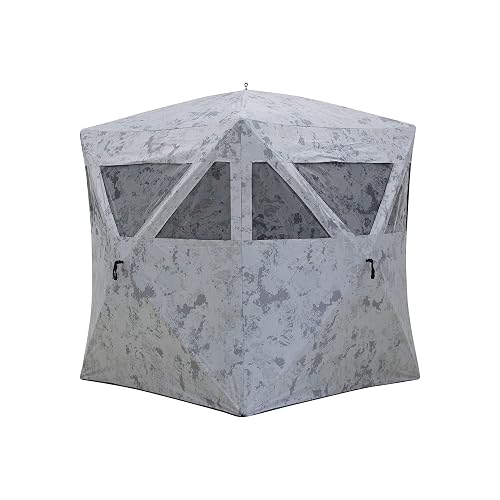
A reclining hunting blind chair lets you sit comfortably for hours without shifting, fidgeting or leaning into the shot. This guide covers how to judge the recline, the seat and the footprint, and how to set the chair up so it stays quiet and comfortable in the stand or blind. Whether you hunt from a ground blind or a tent, the same basics apply.
Check the Recline Range and Lock Points
Most reclining chairs offer two or three recline positions. A shallow angle works for watching a feeding area, while a deeper recline helps you rest during a slow afternoon. Test the lock points before you commit, because a recline that slips under your weight will creak and draw attention. Look for a chair that locks firmly at each position and releases without a tug that could move the whole blind.
Shopping for one? See our guide: Top 7 Chair Blinds for Deer Hunting: Buyer's Guide for Every Setup.
Match the Chair to Your Blind Size
A reclining chair takes up more depth than a standard seat once it leans back, so measure before you buy. Check the chair’s folded and reclined dimensions against your blind’s floor space and the distance from the window to the seat.
- Measure the interior width and depth of your blind at seated shoulder height.
- Note the distance from the rear wall to the front window opening.
- Sit in the chair’s reclined position in your mind and confirm your knees still clear the shooting window.
- Leave at least a few inches of clearance on each side so you can turn without bumping the fabric.
Plan the Placement and Noise Control
Place the chair so you can reach your bow or rifle without rotating your torso. Set the feet on a flat surface, and if you hunt from an elevated stand, cinch the chair’s straps or anchors so it cannot slide. Hunters often report that unsecured chairs squeak every time they shift, so tighten hardware and check fabric joints before the first sit. Cover any exposed metal with camouflage tape or fabric to cut reflection.
Set Up for Comfort on Long Sits
Comfort comes down to seat height, back support and the position of your feet. Adjust the seat so your knees sit slightly below your hips, and rest your feet flat or on a footrest if the chair includes one. Keep a small pad under your lower back if the chair’s support feels too firm, and bring a thermos and a seat cushion for cold mornings. Stand up and stretch during long sits only when the deer are out of range, and move slowly.
Common mistakes
- Buying a recline that is too deep for the blind, leaving no room for your knees at the shooting window.
- Skipping the lock test, then discovering the chair drifts back under your weight.
- Leaving metal parts unwrapped, which can catch light and sound.
- Setting the chair on uneven ground, causing it to rock when you shift.
- Ignoring the weight rating and sitting with gear that pushes the chair past its limit.
Recommended gear
A stable base and a few quiet accessories will help your chair perform better in the field. For another angle, check out Garage Door Hunting Blind: How to Build One for Deer Season.
- Camouflage tape for hardware: wrapping metal joints and clips reduces glare and rattle. View on Amazon
- Seat cushion for hunting: adds padding on cold, hard surfaces during long sits. View on Amazon
- Hunting blind footrest: helps keep your feet flat and reduces leg fatigue when reclined. View on Amazon
For more options, see 6 Best Most Comfortable Hunting Blind Chairs for Long Sits (2026) and 6 Best Hunting Blind Chairs with Armrests: Picks for Deer Season (2026).
FAQ
Is a reclining hunting blind chair quiet enough for deer hunting?
It can be, provided the hardware is tight and the metal is wrapped or covered. Test the chair at home by shifting your weight and listening for creaks before you take it to the field.
How much recline do I need?
A moderate recline works for most hunters who want to rest between shots. Deeper recline suits all-day sits but requires more floor space in the blind.
Can I use a reclining chair in a tree stand?
Some reclining chairs are designed for elevated use, but always check the manufacturer’s weight limit and mounting instructions. Consult the product manual and follow local safety guidance before using any chair in a stand. A related read: Hunting Blind Gun Holder: How to Choose and Mount One for Steady Shots.
Conclusion
A good reclining hunting blind chair balances recline depth, blind fit and quiet operation. Measure your space, lock and test the recline, and secure the chair before every sit. Follow these steps and you will spend more time watching the field and less time shifting.
Related reading
Ready to choose one?
About Owen Palmer
Owen Palmer is part of our editorial team and reviews and edits our hunting guides, checking product details against manufacturer specifications and owner feedback.