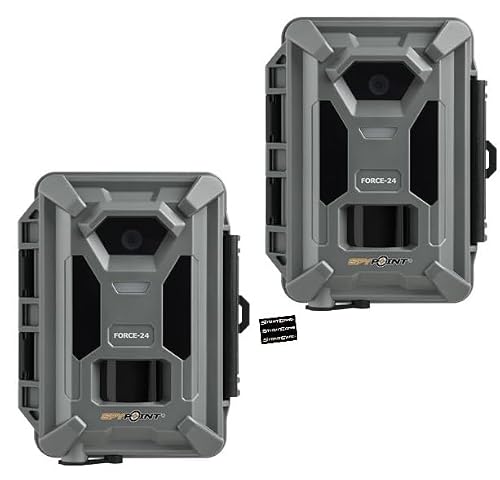
By Owen Palmer
Updated November 2026
Wiseeye trail camera reviews can tell you a lot, but only if you know what to look for. This guide shows you how to read reviews critically, pull out the details that matter for deer scouting, and check whether a Wise Eye model fits the way you hunt. By the end you will have a short list of questions to answer before you spend money on any trail camera.
Start With the Use Case, Not the Star Rating
A camera that works well for watching a food plot from a fence line may fail at a scrape on a dense ridge. Before reading any wiseeye trail camera reviews, decide what you need the camera to do. Most hunters fall into one of three groups: general scouting for pattern and timing, monitoring a specific trail or funnel, or checking a property you cannot visit often.
Once you know the job, filter reviews for owners who used cameras the same way. A review from someone checking a backyard feeder tells you little about night performance at 40 yards.
What to Check in Wiseeye Trail Camera Reviews
Reviews tend to cover the same handful of traits. Focus on these, and ignore vague praise like “great camera.”
- Trigger speed: Owners often describe whether a fast-moving deer is captured in the frame or just leaves a blur at the edge.
- Night image quality: Look for comments on infrared clarity, whether faces and antler tines are readable, and how far the flash reaches.
- Battery life: Note how long reviewers ran the camera on a single set of batteries and whether that figure includes video mode.
- Card compatibility: Check whether users had trouble with particular SD card brands or capacities.
- Weatherproofing: Pay attention to reports of moisture, fogging or failures after heavy rain or snow.
Compare Reviews Against the Manufacturer’s Specifications
Manufacturers specify trigger time, detection range, flash distance and battery type. Compare those claims with what owners report. If a camera is listed with a detection range that many reviewers say is closer in practice, that gap matters more than a single glowing comment.
| Factor | What to look for in reviews | Why it matters |
|---|---|---|
| Trigger speed | Fast-moving subjects captured fully | Missed shots mean missed patterns |
| Night flash range | Subjects readable at your expected distance | Determines usable night data |
| Battery life | Real runtime in heat or cold | Affects how often you visit |
| App or memory card workflow | Ease of retrieving images | Shapes how much time you spend in the field |
Test a Camera Before Trusting It in the Field
Even good reviews cannot predict how a camera will behave on your property. Set it up at home or in a safe spot first, walk through the detection zone, and check the images at night. Confirm the date and time stamp is correct, then check that your card is formatted as the manual specifies.
- Insert a fresh battery set and a formatted card.
- Set the time and date, and confirm the mode you plan to use.
- Walk the detection zone at the distance you expect to monitor.
- Review images in daylight and after dark.
- Mount the camera at your intended height and angle, then recheck.
For setup details, see our guide to Wise Eye Trail Camera: Setup, Settings and Placement Guide. If you run a cellular unit, the Cellular Game Trail Camera Review: Is It Worth It? article covers the trade-offs in plan costs and coverage.
Common Mistakes When Reading Reviews
- Trusting a single review without checking how many owners report the same issue.
- Ignoring the reviewer’s setup, such as mounting height or distance to the target.
- Assuming a model reviewed for one brand of card will work with every card.
- Overlooking reports from the cold months, when battery and image performance often change.
- Buying based on a camera’s best night image instead of its typical result.
Recommended gear
A card reader lets you check images quickly without pulling the camera off the tree, which helps when you are testing placement. View on Amazon
A sturdy strap and mounting kit keeps the camera steady and angled correctly, which affects every image you collect. View on Amazon
Spare batteries let you swap sets during long monitoring periods without losing a week of data. View on Amazon
FAQ
Are wiseeye trail camera reviews reliable?
Reviews are useful when you look for patterns across many owners rather than relying on one opinion. Check whether reviewers describe their setup and conditions, since those details explain most results.
What matters most when comparing Wise Eye models?
Trigger speed, night image quality and real-world battery life usually have the biggest effect on what you capture. Match those traits to how you plan to use the camera.
Should I test a camera before using it in the field?
Yes. A short bench test with fresh batteries and a formatted card will catch setup mistakes and show you the detection zone. Check your manual for the recommended steps.
Conclusion
Good wiseeye trail camera reviews help you separate useful owner experience from general praise. Focus on the traits that affect your hunting, compare reviews against the manufacturer’s specifications, and test the camera before you rely on it. A careful review process will serve you better than any single star rating.
Related reading
Ready to choose one?
About Owen Palmer
Owen Palmer is part of our editorial team and reviews and edits our hunting guides, checking product details against manufacturer specifications and owner feedback.