By Owen Palmer
Updated November 2026
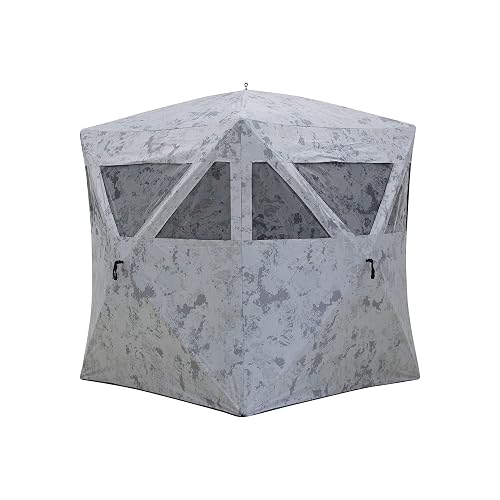
A see through hunting ground blind lets you watch deer from inside a concealed shelter while the mesh or screen windows keep you hidden from view. Getting the most from one depends on three things: placing it where deer already travel, managing light and movement inside it, and keeping your scent from drifting toward the herd. This guide walks through each step so your blind works as a cover instead of a giveaway.
Choose the Right Spot Before You Set Up
Placement matters more than the blind itself. Look for trails, field edges and bedding-to-feeding routes, and confirm them with trail camera photos or fresh tracks. Position the blind so the wind blows from the deer toward you, not from you toward them. Keep it at least 15 to 20 yards from the trail you expect deer to use so they are not forced to pass within close range. If you want more background, see Reclining Hunting Blind Chair: How to Choose and Set One Up for Deer Season.
Shopping for one? See our guide: 8 Best See Through Hunting Blinds for Deer Hunters in 2026.
Set the Blind so Deer See Shapes, Not Shadows
Mesh windows look transparent from the inside, but from outside they can still reflect light and show contrast. Set the blind in shade or under cover when possible, and angle the windows so the sun is behind you during the morning and evening sits. Stake the frame firmly so it does not flap, and keep any loose material tucked away. Movement catches deer attention faster than color. If you want more background, see One Way See Through Hunting Blind (2026): Which Should You Choose?.
Shooting Windows and Lanes
Open only the windows you need. Mark your shooting lanes with a simple reference, such as a stake or a tree, so you can judge distance without moving. Keep the opening at a height that lets you draw comfortably when seated, and clear brush from the lane so nothing snags your arrow or bullet path.
Control Scent, Light and Movement Inside the Blind
Deer rely heavily on their noses, so treat the blind as an extension of your scent plan. Store clothing in a sealed bag, wear clean layers, and avoid eating or smoking inside. Keep your phone dark and avoid bright white light; dim red or no light is far less alarming. Move slowly and only when deer are looking away.
- Walk in and out along the same route each time to limit trampled trails.
- Scout your entry point and avoid walking directly through feeding areas.
- Leave the blind windows set before dawn so you are not adjusting them with deer present.
- Pack a small bag with tissue, a rangefinder and water so you do not leave to fetch things.
Common Mistakes to Avoid
- Placing the blind directly on a trail, which often leads to deer detecting it on arrival.
- Leaving windows open in full sun, which reveals movement and silhouettes.
- Ignoring wind shifts during the sit and not repositioning shooting lanes.
- Setting up too close to the day you hunt, which gives deer no time to accept the new object.
- Using bright flashlights or phone screens inside the blind.
Recommended Gear
- Scent-control clothing helps limit human odor reaching deer in a closed space. View on Amazon
- Red-lens headlamp gives low-light visibility without the bright white beam that alerts deer. View on Amazon
- Blind stakes and guy lines keep the frame steady so mesh does not flap in wind. View on Amazon
For more on specific models and why deer sometimes notice them, see Why Can Deer See Through My See Thru Hunting Blind? 6 Causes and Fixes and Vevor Hunting Blind 270 See Through Ground Blind: Setup and Buyer's Guide. If you are comparing styles, Blind Turtle Hunting Blinds vs Ground Blinds: Which Should You Choose? covers the tradeoffs.
FAQ
How far should a see through hunting ground blind be from a deer trail?
Aim for roughly 15 to 20 yards off the main trail so deer pass within shooting range without walking past the blind at close distance. Adjust based on terrain and how the deer move in your area.
Do see through blinds work in bright sunlight?
They can, but sunlight makes the mesh more visible from outside and reveals movement inside. Shade the blind with natural cover and position it so the sun is behind you when possible.
Should I set the blind up well before hunting season?
Yes. Setting it up a few weeks early lets deer become accustomed to the object. Wait until you have scouted the area and confirmed the travel patterns before committing to a location.
Conclusion
A see through hunting ground blind works best when you pick the spot carefully, control light and movement, and manage your scent. Set it up early, confirm the wind before every sit, and keep your windows and lanes simple. With those basics in place, the blind keeps you hidden and gives you a clear view of the deer you came to see.
Related reading
Ready to choose one?
About Owen Palmer
Owen Palmer is part of our editorial team and reviews and edits our hunting guides, checking product details against manufacturer specifications and owner feedback.