
 By Owen Palmer
Updated November 2026
The impact 4000 ballistic rail-mounted laser rangefinder is aimed at hunters who want range, angle and holdover data sitting directly in their optic instead of on a separate handheld unit. It suits riflemen who shoot known distances across open country, who already run a rail-mounted setup and who want a ballistic solution without fumbling for a second device. It is a weaker fit for bowhunters, shooters who mainly work inside 150 yards, and anyone who prefers a light, simple unit they can drop in a pocket. Buyers who want a compact, lower-commitment handheld ranger with fewer ballistic functions should look elsewhere.

VortexOn-Board GeoBallistics Solver, Environmental Sensors, In Display Wind/Drop Solutions – Unlimited, Unconditional Warranty Impact 4000 Ballistic Rail-Mounted Laser Rangefinder
Product Overview
The Vortex Impact 4000 is a rail-mounted laser rangefinder built around an onboard ballistic solver. Its listing emphasizes an on-board GeoBallistics solver, environmental sensors and in-display wind and drop solutions, which means the unit is designed to calculate a firing solution from inputs it gathers or that you enter, then show the result in the display you look through. The listing also highlights an unlimited, unconditional warranty, which is worth factoring in if you plan to mount the unit on a rifle that sees heavy field use.
The concept behind a rail-mounted ranger is simple: the laser measures the line-of-sight distance to a target, and the solver converts that distance, along with atmospheric and bullet data, into a holdover or dial value. Keeping that information on the rifle reduces the number of steps between seeing the animal and taking a shot. For a deeper look at how the underlying measurement works, see How Does a Laser Rangefinder Work: Step-by-Step Guide for Hunters.
Because the unit mounts to a rail, it has to be compatible with your rifle’s rail system and must sit in a position that does not block the optic or interfere with the bolt or charging handle. Plan on confirming fit before purchase. A general primer on rail-mounted units is available in Rail Mount Laser Rangefinder: How to Choose and Install One (2026).
Key Features & Specifications
The table below lists only the features reflected in the product name and listing. Confirm exact figures such as maximum range, accuracy and battery type against the manufacturer’s current documentation before you buy, since these specifications are not reproduced here.
| Feature | What the Listing States | Why It Matters |
|---|---|---|
| Form factor | Rail-mounted laser rangefinder | Keeps ranging data on the rifle rather than in a pocket |
| Ballistic solver | On-board GeoBallistics solver | Calculates holdover from range and ballistic inputs |
| Environmental sensing | Environmental sensors | Supports atmospheric adjustments to the firing solution |
| Solution display | In-display wind and drop solutions | Shows corrections in the optic view |
| Warranty | Unlimited, unconditional warranty (per listing) | Relevant for a unit that sees hard field use |
Pros & Cons
Pros
- Integrates range and ballistic solutions directly into the optic view, reducing hand movement and delay.
- Onboard environmental sensing supports more current corrections than a fixed table alone.
- Wind and drop solutions shown in the display can simplify quick shots at unfamiliar distances.
- A stated unlimited, unconditional warranty adds reassurance for a rail-mounted electronic device.
- Frees up pocket space and avoids juggling a separate ranger and ballistic app.
Cons
- Rail mounting adds weight and bulk to the rifle, which can be noticeable on lightweight hunting setups.
- Fit depends on rail type and clearance, so compatibility checks are required before purchase.
- Owners who prefer to range and dial manually may find the solver feature more than they need.
- Ballistic output is only as good as the data entered, so bullet and load inputs must be accurate.
- Electronic systems add a dependency on batteries and on the unit surviving field conditions.
Performance Analysis
Performance with a ballistic rangefinder depends on three things: the accuracy of the range measurement, the quality of the environmental and ballistic data, and how well the shooter understands the output. The impact 4000 is designed to handle the first two in one unit, so most of the variables that cause misses come down to inputs and practice.
Owner feedback patterns for units in this category tend to center on a few themes. Users who take the time to enter accurate muzzle velocity, bullet ballistic coefficient and sight height generally report that holdover values line up with their dope cards at known distances. Users who skip calibration or rely on default values often report larger differences, which points to the importance of verifying the solution at the range before a hunt. Commonly mentioned strengths include quick ranging on animals at mixed distances and the convenience of seeing corrections without looking away from the target.
Recurring concerns mirror those seen across rail-mounted units generally: rail fit and clearance, battery management in cold weather, and the learning curve for the menu structure. Shooters who verify the solution with a few confirmed shots at 200, 300 and 400 yards before the season typically feel more confident using it in the field.
Keep in mind that a ballistic solver does not replace marksmanship. Wind reading, shot placement on the vitals and ethical shot selection still matter most. For practical ranging habits that apply to any rangefinder, the guide Vortex Impact 4000 Rangefinder: Setup, Ranging Tips and Hunting Use covers useful field routines.
Who Should Buy This Product?
This unit fits hunters who shoot at medium and long distances, already use or plan to use a rail-mounted optic setup, and want range and ballistic information in one place. Western big-game hunters, open-country shooters and riflemen who regularly take shots beyond 300 yards are the strongest candidates. It is also a reasonable choice for someone who wants fewer separate devices in the field and is comfortable spending time learning the menu and calibrating the solver.
Skip it if you hunt mostly from tree stands at close range, if you are a bowhunter, or if you want the lightest possible rifle setup. Shooters who prefer a simple handheld ranger, or who like to build their own dope cards by hand, will likely find a conventional unit more satisfying. Consider also whether you want to see the solution in the optic at all; some hunters prefer to keep the rifle clean and check values before stalking.
Buying Guide
Before buying any rail-mounted ballistic ranger, work through these checks:
- Confirm rail compatibility. Verify the mounting system matches your rifle’s rail and that the unit clears the optic and any bipod or sling attachments.
- Check weight and balance. Weigh the rifle with the unit installed and consider how it affects carry time and offhand shooting.
- Gather accurate ballistic data. You will need a chronographed muzzle velocity, bullet ballistic coefficient from the manufacturer and your actual sight height.
- Plan a verification session. Confirm the solution at several known distances before the season and log results.
- Review the warranty terms. Read the warranty conditions in full, including what is covered and how claims are handled.
If the impact 4000 does not suit your setup, two well-known alternatives serve different needs. The Leupold RX-1400I TBR/W Gen 2 w/Flightpath Rangefinder is a rail-mounted option for hunters who want integrated ballistic output with a different feature mix:
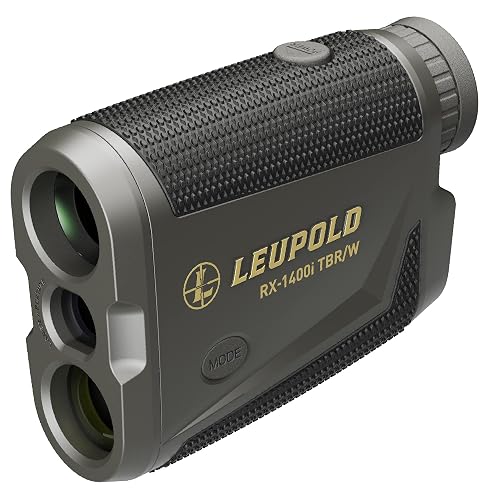
Leupold RX-1400I TBR/W Gen 2 w/Flightpath Rangefinder, Black/Gray
The Gunwerks G7 BR2 Ballistic Rangefinder E1011 is another ballistic-focused option, often chosen by long-range shooters who want a dedicated solver and are comfortable with a more involved setup:

Gunwerks G7 BR2 Ballistic Rangefinder E1011
Compare the two alternatives against your rifle, your typical shooting distances and how much setup time you are willing to invest. For a wider look at the category, see Rail Mount Laser Rangefinder: How to Choose and Install One (2026).
FAQ
Does the impact 4000 work on any rifle?
Not necessarily. Compatibility depends on your rail system and on clearance around the optic and other accessories. Check the listing’s mounting details and measure your rifle before ordering.
Do I need to enter ballistic data manually?
Yes, accurate inputs such as muzzle velocity, ballistic coefficient and sight height are needed for reliable holdover values. Chronograph your load if possible rather than relying on box numbers.
How should I verify the solution before hunting?
Shoot confirmed groups at several known distances, such as 200, 300 and 400 yards, and compare the impact points to the displayed solution. Adjust inputs if there is a consistent difference.
Does the unit affect rifle accuracy?
Adding weight and changing balance can affect how the rifle handles, but accuracy is more often influenced by mounting stability and shooter technique. Confirm your zero after installation.
Is the rangefinder useful for bowhunting?
The unit is designed for rifle mounting, so it is not intended for bowhunters. Bowhunters typically rely on handheld rangefinders and pin or sight-tape systems.
What about cold-weather performance?
Battery life and display visibility can change in cold conditions. Carry spare batteries, keep the unit warm when possible and test it before the trip.
Should I consult a professional about ballistics?
If you are new to long-range shooting, a certified firearms instructor or experienced long-range shooter can help you validate your data and safe shooting practices.
Final Verdict
The impact 4000 is a strong choice for riflemen who want integrated ranging and ballistic solutions on the rifle, a stated unlimited warranty and the convenience of corrections shown in the optic. It is less suited to shooters who want a light, simple setup or who hunt primarily at close range. Confirm rail fit, gather accurate ballistic data and verify the solution at the range before you rely on it in the field.
Related reading
- Vortex Impact 4000 Ballistic Rail Mounted Laser Rangefinder: Setup and Use
- Vortex Razor HD 4000 GB Ballistic Laser Rangefinder: Setup and Hunting Guide
About Owen Palmer
Owen Palmer is part of our editorial team and reviews and edits our hunting guides, checking product details against manufacturer specifications and owner feedback.


