By Wyatt Hayes
Updated November 2026
Choosing the best hunting knife sharpener for beginners comes down to three things: how easy it is to learn, how reliably it holds a consistent edge angle, and whether it travels well to camp or the field. A sharpener that takes years to master will frustrate you, while a guided system can get a dull blade back into shape on the first try. The seven options below were compared on specifications, brand reputation, and the patterns owners tend to describe in their feedback. We did not test them ourselves, so use this list as a research-based starting point.
Our top picks at a glance
- 1
 TOP CHOICEBest overallWork Sharp Portable 5 Stage SharpenerView on Amazon
- 2
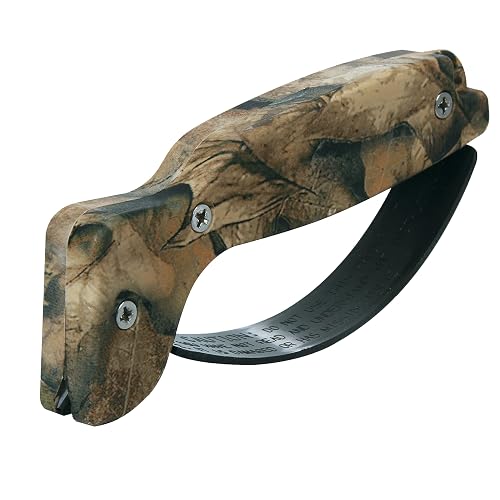 TOP CHOICEBest for camo-friendly field kitsAccuSharp Knife Sharpener, CamoView on Amazon
- 3
 TOP CHOICEBest for shop-based sharpeningWork Sharp Benchstone Knife SharpenerView on Amazon
- 4
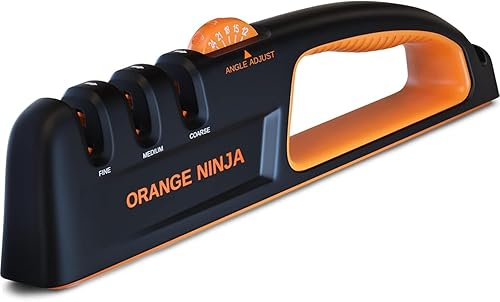 Best for low-effort kitchen-style tuningSharp Pebble Manual Knife SharpenerView on Amazon
- 5
 Best budget pickDiamond-Coated Ceramic Whetstones with Angle GuideView on Amazon
- 6
 Best for precise angle controlWork Sharp Precision Adjust Knife Sharpener KitView on Amazon
- 7
 Best for pocket carryWork Sharp Portable Pocket and Hunting Knife SharpenerView on Amazon
Our Top Picks
The selection criteria were: ease of learning for someone who has never sharpened a blade, consistency of edge angle, portability for field use, versatility across hunting knives and fixed blades, and the general reputation of the brand for support and replacement parts. Here is how the seven products compare at a high level. 7 Best Campfire Cooking Gear Picks for Beginners and Car Campers goes further into this.
| Product | Best for | Key feature |
|---|---|---|
| Work Sharp Portable 5 Stage Sharpener | Overall field use | Five stages from coarse diamond to leather strop |
| AccuSharp Knife Sharpener, Camo | Simple, compact carry | Ergonomic handle with fixed carbide and ceramic sharpening |
| Work Sharp Benchstone Knife Sharpener | Shop-based sharpening | Three-sided stone for faster manual work |
| Sharp Pebble Manual Knife Sharpener | Quick tune-ups | Adjustable angle settings across three stages |
| Diamond-Coated Ceramic Whetstones | Budget-minded beginners | Adjustable 14 to 24 degree angle guide |
| Work Sharp Precision Adjust Kit | Consistent angles | Guided system adjustable from 15 to 30 degrees |
| Work Sharp Pocket and Hunting Sharpener | Pocket carry | Compact guided design for field maintenance |
Work Sharp Portable 5 Stage Sharpener
Portable 5 Stage Sharpener with Diamond, Ceramic and Leather Strop. Restore Any Edge Anywhere Work Sharp Guided Field Sharpener, Hunting and Fishing Knife Sharpener
Best for: Overall field use
This is a good fit for beginners who want one kit that can handle everything from a badly chipped blade to a final polished edge at camp. The guided design takes much of the guesswork out of angle control.
Key specs
- Five sharpening stages, including diamond, ceramic and leather strop
- Designed for portable field use, as the listing indicates
- Covers hunting and fishing knives per the product title
Pros
- Guided system helps maintain a consistent edge angle
- Covers repair through polishing in a single kit
- Well suited to working blades in the field
Cons
- Multiple stages mean a longer sharpening session than simpler tools
- Larger than pocket-only options
Bottom line: The most complete choice for a beginner who wants to grow into full edge maintenance over time.
AccuSharp Knife Sharpener, Camo
AccuSharp Knife Sharpener, Ergonomic Comfortable Handle, Compact & Easy to Use, Restore and Hone Straight & Serrated Knives, Camo
Best for: Simple, compact carry
Ideal for a hunter who wants a basic, no-setup tool to touch up a blade in a blind or truck. Its ergonomic handle is designed for comfortable, controlled strokes.
Key specs
- Compact body with an ergonomic handle
- Restores and hones straight and serrated knives, per the listing
- Camo finish for field carry
Pros
- Very easy to learn, with almost no setup
- Compact enough to stay in a pack
- Works on both straight and serrated edges
Cons
- Less control over angle than guided systems
- Limited for heavily damaged edges
Bottom line: A practical quick-touch tool for beginners who need a fast field refresh rather than full restoration.
Work Sharp Benchstone Knife Sharpener
Work Sharp Benchstone Knife Sharpener, 3 sided for faster manual pocket or hunting knife sharpening
Best for: Shop-based sharpening
Suited to a beginner who sharpens at home between seasons and wants a stable stone that can handle larger blades and pocket knives with patience.
Key specs
- Three-sided sharpening stone design
- Intended for manual pocket and hunting knife sharpening
Pros
- Three working faces offer several grit options
- Stable base for controlled strokes at a bench
- Good for building manual technique
Cons
- Requires more skill to hold angle than guided tools
- Not designed for quick field touch-ups
Bottom line: A good learning tool for a beginner planning to develop manual skill at home.
Sharp Pebble Manual Knife Sharpener
Manual Knife Sharpening with Adjustable Angles by Sharp Pebble – Repair, Restore & Polish Any Dull Blade in Minutes 5 Precision Adjust Knife Sharpener- 3-Stage Premium Kitchen Knife Sharpener
Best for: Low-effort kitchen-style tuning
A reasonable pick for someone who wants a simple three-stage manual sharpener that can also handle kitchen knives in the same household.
Key specs
- Three-stage sharpening process
- Adjustable angle settings, per the listing
Pros
- Staged design simplifies the process
- Adjustable angles help beginners find a workable range
- Useful across different blade types at home
Cons
- Built more for kitchen blades than hard field use
- Owner feedback varies on long-term durability
Bottom line: Best for a beginner whose sharpening happens mostly at home and who wants a simple staged tool.
Diamond-Coated Ceramic Whetstones with Angle Guide
Diamond-Coated Ceramic Whetstones, Works for Kitchen Knives & Professional Chefs, Sturdy Grip & Non-Slip Rubber for Safety Knife & Scissor Sharpener | Adjustable 14-24 Degree Angle Guide
Best for: Budget-minded beginners
For a beginner who wants to learn stone sharpening without a large investment, this set offers an angle guide and two stone surfaces to practice with.
Key specs
- Diamond-coated and ceramic surfaces
- Adjustable 14 to 24 degree angle guide, per the listing
- Non-slip rubber grip
Pros
- Angle guide supports consistent strokes
- Diamond surface cuts quickly on dull blades
- Good entry point for learning stone technique
Cons
- Requires water or lubricant and some cleanup
- Less portable than pocket-style sharpeners
Bottom line: A sensible budget pick for a beginner who doesn’t mind a bit of setup and wants to build skill.
Work Sharp Precision Adjust Knife Sharpener Kit
Guided Sharpening, Pocket Knives, Kitchen Knives, 15 to 30 Degrees, Serrated Edges Work Sharp Precision Adjust Knife Sharpener Kit, Fixed Angle System
Best for: Consistent angles
Fits a beginner who struggles to keep the same angle on every stroke and wants a guided, fixed-angle system that adjusts across a wide range.
Key specs
- Adjustable angles from 15 to 30 degrees, per the listing
- Guided fixed-angle system
- Suitable for pocket and kitchen knives, per the listing
Pros
- Guided angles make repeatable results easier to achieve
- Wide adjustment range covers many blade types
- Helpful for learning what an edge should look like
Cons
- Setup takes more time than basic sharpeners
- Not focused on quick field touch-ups
Bottom line: A strong pick for a beginner who values precision and is willing to spend time setting up the system.
Work Sharp Portable Pocket and Hunting Knife Sharpener
Work Sharp Portable Pocket and Hunting Knife Sharpener, WSGPS-W
Best for: Pocket carry
Good for a hunter who wants to keep a compact sharpener in a jacket or daypack and maintain a folding or small fixed blade between uses.
Key specs
- Portable pocket and hunting knife design
- Compact guided form factor
Pros
- Easy to carry in a pack or pocket
- Guided design aids angle consistency
- Well suited to routine field maintenance
Cons
- Limited capacity for badly damaged blades
- Smaller work surface than larger kits
Bottom line: The right choice for a beginner who prioritizes carry size and quick maintenance over full restoration.
Buying Guide
Sharpening Method: Guided vs. Manual
Guided systems hold the blade at a set angle, which helps beginners build a consistent edge. Manual stones and tools rely on your hand control, so they reward practice but take longer to learn. For a first sharpener, a guided option usually produces better early results.
Good picks for this: Work Sharp Precision Adjust Knife Sharpener Kit, Work Sharp Portable 5 Stage Sharpener
Grit Range and Stages
Look for a tool that offers at least a coarse stage for repairing dull or chipped edges and a fine stage for polishing. Multiple stages let you move from restoration to a finished edge without buying extra tools.
Good picks for this: Work Sharp Portable 5 Stage Sharpener, Work Sharp Benchstone Knife Sharpener
Angle Control and Adjustability
Most hunting knives do well with a moderate edge angle, but the right number depends on the steel and blade geometry. Adjustable angle guides let you match the sharpener to the blade you own rather than forcing one setting on every knife.
Good picks for this: Diamond-Coated Ceramic Whetstones with Angle Guide, Sharp Pebble Manual Knife Sharpener
Portability and Field Use
If you sharpen at camp or in a blind, weight and size matter. Pocket-sized tools fit in a jacket, while larger benchtop systems stay at home. Decide where most of your sharpening will happen before you choose.
Good picks for this: Work Sharp Portable Pocket and Hunting Knife Sharpener, AccuSharp Knife Sharpener, Camo
Blade Types and Compatibility
Check whether the sharpener suits the knives you use most. Fixed blades, folding knives and serrated edges can require different approaches. Serrated sections often need a tool with a dedicated stage or a rod-style sharpener.
Good picks for this: AccuSharp Knife Sharpener, Camo, Work Sharp Portable 5 Stage Sharpener
Durability and Replacement Parts
Owners often report that sharpeners with replaceable abrasive surfaces or stones last longer. Check whether the brand sells spare parts, since a worn stone or guide can be replaced rather than the whole tool.
Good picks for this: Work Sharp Benchstone Knife Sharpener, Work Sharp Precision Adjust Knife Sharpener Kit
Care and Maintenance
Stones may need lubricant, water or a flattening plate to keep them cutting well. Clean the sharpener after use to keep grit and metal particles from contaminating later sessions. Follow the manufacturer’s instructions for the specific product.
Good picks for this: Diamond-Coated Ceramic Whetstones with Angle Guide, Sharp Pebble Manual Knife Sharpener
FAQ
What is the easiest sharpener for a beginner to use?
Guided sharpeners that hold the blade at a set angle are generally the easiest to learn. They reduce the most common beginner mistake, which is changing the angle mid-stroke.
How often should I sharpen a hunting knife?
It depends on use. Many hunters touch up a blade after each field session and fully restore it when it no longer slices cleanly or after heavy use on bone or hide.
Do I need water or oil for sharpening stones?
Some stones are designed to be used wet, while others use oil or are used dry. Check the manufacturer’s instructions for the specific stone, as using the wrong lubricant can reduce performance.
What angle should I sharpen a hunting knife at?
Many hunting knives are sharpened somewhere in the mid-teens to low-twenties in degrees per side, but the right angle depends on the blade steel and intended use. A guided system with adjustable angles helps you find the setting that works for your knife.
Can one sharpener handle both hunting and kitchen knives?
Many sharpeners list both, but results vary by blade geometry. A multi-stage system usually handles a wider range of knives than a single-stage tool.
Is a pocket sharpener enough for field maintenance?
A pocket sharpener is well suited to touch-ups in the field. For badly damaged edges, a larger or multi-stage system at home will usually restore the blade more effectively.
How do I avoid damaging my knife while sharpening?
Use light pressure, keep the angle steady, and avoid excessive strokes on one spot. If you are unsure about a valuable blade, consider asking a professional knife sharpener for advice.
Conclusion
For most beginners, the Work Sharp Portable 5 Stage Sharpener offers the most complete path from repair to polish, while the AccuSharp Camo model suits fast field touch-ups. Those who sharpen mostly at home may prefer the Benchstone or the Precision Adjust kit, and budget-minded learners can start with the diamond-coated whetstones. Match the tool to where and how you sharpen, and practice on an older knife before working on your primary blade.
Sources
- Workplace tool and cutting-tool safety guidance relevant to handling sharp edges (osha.gov)
- Consumer product safety information for knives and sharp hand tools (cpsc.gov)
- Field safety and outdoor equipment guidance for campers and hunters (nps.gov)
Related reading
- Top 7 Best Hunting Knife Sharpeners for Deer Hunters: Expert Picks
- Best Hunting Knife Sharpener Australia: 6 Options That Hold an Edge
- 8 Best Pocket Hunting Knife Sharpeners: 8 Picks Compared for Field Use

About Wyatt Hayes
Wyatt writes about hunting. Each guide starts with research into how products are built and what owners report after months of use, and is revised when better options appear.