

As an Amazon Associate I earn from qualifying purchases. This page may contain affiliate links.
Choosing the best hunting blind windows comes down to three things: how well you can see game, how well you stay hidden, and how well the window holds up to weather and daily use. A window that gives a wide shooting lane but flashes light or reflects sun will spook a buck faster than an open door. A window that blocks wind but turns into a fogged-up mess on a cold morning will make you miss the shot you spent the whole sit waiting for. This list weighs each option on its size and fit, its view and concealment, how it handles glare and wind, how it installs, and how owners tend to describe its durability. Every pick is based on published specifications, brand reputation and common owner feedback patterns. None of these products has been tested for this article, so use the specs and cons below to match a window to your own blind.
Our Top Picks
Quick Comparison
| Product | Best for | Key feature |
|---|---|---|
| Deer Blind Window 36″ x 11 1/2″ | Hunters wanting a wide, low shooting window | 36-inch wide opening |
| Banks Outdoors Hunting Blind Phantom Tinted Framed Window System | Hunters who want a framed, tinted window with low glare | Tinted framed window system |
| Ultramatic Deer Blind Window 30″ x 11 1/2″ | Hunters with narrower blinds or tighter spaces | Compact 30-inch opening |
| Transom Sliding Windows with Tempered Glass and Fiberglass Screen 10″ x 18″ | Hunters wanting a sliding, ventilated window | Sliding design with screen |
| Deer Blind Window Curtain Hunting Blind Window Curtain 57″ x 39″ | Hunters who want a quick, removable cover | Universal curtain kit |
| AUSCAMOTEK Woodland Camo Mesh Netting 5 ft x 12 ft | Hunters who want see-through concealment on a budget | Clear-view camo mesh |
Deer Blind Window 36″ x 11 1/2″
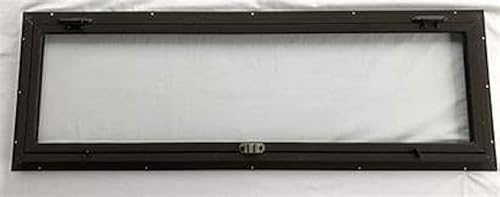
Deer Blind Window 36" x 11 1/2"
This window suits hunters building or upgrading a box or ground blind who want a wide, low shooting opening. The 36-inch width gives a generous lane for a bow or rifle shot without requiring you to lean.
Key specs
- Window size: 36 inches wide by 11.5 inches high
Pros
- Wide opening gives a broad shooting lane
- Low profile keeps your head below the sill when seated
- Simple size to fit common blind frames
Cons
- Limited height means less room for standing or tall shooters
- Requires a blind frame sized to match
Banks Outdoors Hunting Blind Phantom Tinted Framed Window System

Banks Outdoors Hunting Blind Phantom Tinted Framed Window System
This framed system is aimed at hunters who want a finished, tinted window that reduces glare and makes the opening feel more like a permanent part of the blind. It is a good match for those who sit in one spot through the season.
Key specs
- Tinted window panel designed to cut glare
- Framed system for a more permanent installation
Pros
- Tint helps reduce reflection and light flash
- Framed design is sturdier than loose panels
- Gives a cleaner, more finished look inside the blind
Cons
- Tinting can darken low-light views at dawn and dusk
- Framed installation takes more time than a curtain or mesh
Ultramatic Deer Blind Window 30″ x 11 1/2″

Ultramatic Deer Blind Window 30" x 11 1/2"
This narrower window fits hunters working with compact ground blinds or smaller pop-up frames. It keeps the same low profile as wider options but trims the footprint for tighter setups.
Key specs
- Window size: 30 inches wide by 11.5 inches high
Pros
- Compact width suits smaller blinds
- Low opening keeps profile down when seated
- Easy to match with existing window frames of similar size
Cons
- Narrower lane gives less side-to-side shooting room
- Not ideal for large, multi-hunter blinds
Transom Sliding Windows with Tempered Glass and Fiberglass Screen 10″ x 18″ Black

Deer Blind Window Curtain Hunting Blind Window Curtain 57" x 39" Universal Box Blind Curtain Kit (Black
This sliding unit is a utility-style window rather than a dedicated blind window, but its sliding panel and screen can work for hunters who want ventilation control. It is better suited to shed or enclosed blind builds than to a fast-setup ground blind.
Key specs
- Size: 10 inches by 18 inches, black finish
- Tempered glass with fiberglass screen
Pros
- Sliding design allows airflow without opening the full window
- Fiberglass screen keeps insects out during warm sits
- Tempered glass is a sturdier choice than standard glass
Cons
- Smaller opening limits shooting lane
- Requires a rigid frame and careful mounting
Deer Blind Window Curtain Hunting Blind Window Curtain 57″ x 39″
This is a fabric curtain kit for hunters who want a fast, removable cover rather than a fixed window. It works well for pop-up and box blinds that need a quick way to open and close the view.
Key specs
- Size: 57 inches by 39 inches, universal fit
- Black fabric curtain
Pros
- Quick to open and close for shot readiness
- Universal size fits a range of blind openings
- Low cost of entry compared with framed systems
Cons
- Fabric can flutter in wind and reveal movement
- Less rigid, so it may sag or shift over a season
AUSCAMOTEK Woodland Camo Mesh Netting 5 ft x 12 ft

AUSCAMOTEK Woodland Camo Mesh Netting Camouflage Netting for Hunting Blinds Window Camping Shooting Clear View Camo Hunting Hide Net, Wetland/Green/Yellow 5 ft x 12 ft (appro)
This camo mesh is for hunters who want see-through concealment and a low-cost way to break up a blind opening. It is a practical option for hunters who value a clear view and want to cover a large area quickly.
Key specs
- Size: 5 feet by 12 feet
- Woodland camo pattern, clear-view mesh
Pros
- Mesh allows a clear view while breaking up your outline
- Large size covers wide openings or multiple windows
- Easy to hang with simple fasteners or clips
Cons
- Mesh does little to block wind or cold
- Can catch light and flutter if not tensioned well
Buying Guide
Selection criteria
Start with what the window has to do for your hunt. A bow hunter sitting ten yards from a trail needs a different opening than a rifle hunter taking longer shots across a field. Measure your blind opening before you shop, and note whether you hunt sitting, kneeling or standing. The most important questions are how much shooting room you need, how much light and glare the window will let in, and how much wind and cold you will face.
Important features
- Shooting lane width: Wider openings give more room to track game, but they also show more movement.
- Glare control: Tinted panels and mesh reduce reflection, which matters most in early and late light.
- Concealment: Mesh and camo break up your outline but may reduce low-light clarity.
- Ventilation: Sliding panels and screens let you control airflow and bug entry.
- Mounting: Framed systems are more permanent; curtains and mesh are faster to change.
Specs to check
Confirm the outside dimensions of the window against your blind frame, and check whether the listing gives the opening size or the overall size. Look for stated materials such as tempered glass, fiberglass screen or fabric weight. If a spec is not listed, check the manufacturer’s page or ask the seller before you buy.
Choosing by need
- Wide shooting lane: Consider the 36-inch window.
- Tight or compact blind: Consider the 30-inch window.
- Glare reduction: Consider the tinted framed system.
- Ventilation on warm days: Consider the sliding screened unit for enclosed builds.
- Fast setup and removal: Consider the curtain kit or camo mesh.
If you are still deciding between mesh and solid window material, see Best Hunting Blind Windows (2026): Mesh vs Solid Vinyl Windows, Which Is Better? for a side-by-side look at how each performs. If your blind is a complete kit, 8 Best Hunting Blind Window Kits for Deer Hunters (2026) covers full setups.
Things to watch out for
- Do not assume a window will fit just because the width matches. Check the frame depth and mounting points.
- Tinted and mesh materials can dim the view at dawn and dusk, so test your visibility before the season.
- Fabric and mesh need tension. Loose material flutters and gives away movement.
- Check local regulations on blinds and enclosures on public land before you build or modify a setup.
If you hunt from a plexiglass setup, Plexiglass Hunting Blind Windows: Types, Pros and Cons, and How to Choose (2026) explains the tradeoffs. For cold-weather sits, Top 8 Best Hunting Blind Heaters for Cold Deer Stands in 2026 can help with comfort.
FAQ
What is the best window material for a hunting blind?
Mesh is best when concealment and a clear view matter most, while solid or tinted framed windows do better at blocking wind and reducing glare. Many hunters use a combination, depending on the season and weather.
How wide should a blind window be?
Most deer hunters find a window in the 30 to 36-inch range workable for bow or close-range rifle shots. Wider openings give more lane but show more movement, so balance width against your blind size and how much you move.
Do tinted windows hurt visibility?
Tint reduces glare and reflection, but it can darken the view in low light. Test the window at dawn or dusk before the season so you know what you will see when game shows up.
Can I add a window to an existing blind?
Often yes, if you measure the opening and check the frame depth and mounting points. Confirm the window size matches the existing opening before you buy, and reinforce the frame if needed.
Is camo mesh enough to hide a blind window?
Camo mesh breaks up your outline and keeps a clear view, but it does not block wind or cold, and it can catch light. It works best as part of a complete concealment setup rather than as the only cover.
How do I keep fabric curtains from flapping?
Use tension straps or clips to hold the curtain taut, and close any gaps at the edges. Loose fabric is the most common source of movement that gives you away.
Should I consult a professional before modifying a blind?
If you are building or changing a permanent blind, especially on public land or near structures, check local rules and consider consulting a builder or land manager. Structural changes can affect safety and legality.
Conclusion
The best hunting blind windows depend on your setup and your hunt. For a wide, low shooting lane, the 36-inch window is a strong fit. For a compact blind, the 30-inch window matches tighter spaces. If glare is your main problem, the tinted framed system is the most direct solution. For ventilation on warm days in an enclosed build, the sliding screened unit makes sense. For fast, removable cover, the curtain kit or camo mesh gives you flexibility. Measure your opening, decide what matters most in your blind, and match the window to that need before the season starts.





