By Owen Palmer
Updated November 2026
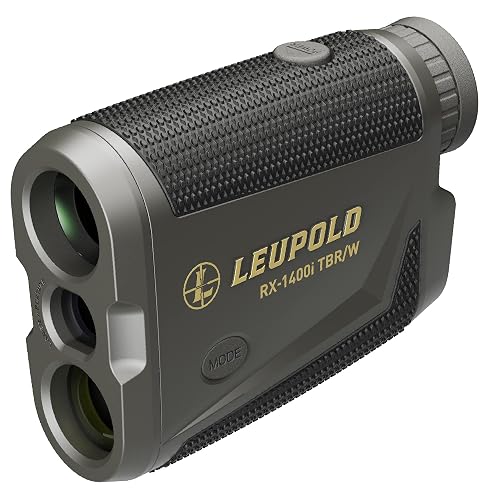
The leupold rx 1000i tbr rangefinder is a compact laser unit built for hunters who need quick, reliable yardage on deer and other game. This guide walks you through the initial setup, the ranging routine you should practice before the season, and the settings that help you turn a distance reading into a sound shot decision. Check the owner’s manual for model-specific menus, since button layouts and display options can vary between revisions.
Set Up the Rangefinder Before You Head Out
Start by charging the unit fully and confirming the battery indicator reads correctly. Cold weather drains lithium cells faster, so carry a spare or keep the rangefinder in an inside pocket until you need it. Next, set your display units to yards, since most hunting ballistics charts and turret references use yardage.
Shopping for one? See our guide: Leupold RX-1400i TBR/W Gen 2 Rangefinder Review: Who Is It For?.
Then configure the rangefinder’s ranging mode. Many hunters prefer a mode that reports the true line-of-sight distance, which is what matters for an angled shot. If your model offers an angle-compensated reading, learn where that setting lives in the menu so you can switch to it without fumbling in the field.
Learn the Ranging Routine
Accurate ranging depends on technique more than on the tool itself. Follow these steps every time:
- Hold the unit steady with both hands and rest your elbows against your chest or a stable surface.
- Pick a target with a clear, reflective edge, such as the front of a tree trunk, a fence post or the animal’s body outline.
- Center the aiming reticle on the target, then press and hold the measure button until the reading locks.
- Take at least three readings and confirm they fall within a yard or two of each other.
- Write down or memorize the yardage before the animal moves.
Ranging through brush or tall grass often returns the nearest obstruction rather than the animal. Slip the reticle through a gap or range a clear object on the same line before you commit to a number.
Use Yardage With Your Ballistics Data
A rangefinder tells you how far away the animal is, but you still need to know where your arrow or bullet will strike at that distance. Pair the reading with your rifle or bow’s trajectory chart, or use the ballistic features on your unit if it includes them. Confirm your data by shooting at known distances, such as 50, 75 and 100 yards, before relying on any table.
Angled shots from treestands require a different calculation. Shooting downhill, the effective distance is shorter than the line-of-sight reading suggests. Many hunters use an inclinometer-based correction or a published angle chart. Consult the ballistic resource that matches your cartridge or broadhead, and verify it on the range.
Practice in the Off-Season
Spend time ranging familiar landmarks at the places you hunt. Take readings on stumps, feeders, trail intersections and field edges, then check them with a measuring wheel or mapping tool. Over a few weeks you will learn how the unit behaves in your terrain and how quickly you can get a reliable number when a deer appears.
For more context on choosing and using optics in the field, see Leupold Binoculars with Rangefinder: How to Choose and Use One in the Field. If you are comparing other models, Leupold RX 650 Rangefinder: Setup, Use and Tips for Hunters covers a related setup routine, and Leupold RX 1400i Rangefinder Review: Is It Worth It? gives a useful side-by-side perspective.
Common Mistakes to Avoid
- Ranging the closest branch or brush instead of the animal’s body.
- Forgetting to switch between line-of-sight and angle-compensated readings.
- Trusting a single reading without confirming with a second and third.
- Using a ballistics chart you have never verified at the range.
- Letting the battery run low before the season opens.
Recommended Gear
A rangefinder pouch with a belt clip keeps the unit within reach from a treestand or blind, so you are not digging through a pack when a deer steps into view. View on Amazon
Spare lithium batteries matched to your model prevent a dead unit at the worst possible moment. View on Amazon
FAQ
Is the leupold rx 1000i tbr rangefinder accurate for angled shots?
It can be, provided you use the correct ranging mode and apply a ballistic or angle correction. Always confirm readings at the range before relying on them in the field.
How do I know which yardage setting to use?
Use the line-of-sight reading for flat shots and an angle-compensated reading or chart for elevated positions. Check the owner’s manual for the exact menu path on your model.
Can I use the rangefinder in rain or low light?
Many laser units perform reduced range in heavy rain, fog or dim conditions. Test performance in the conditions you expect, and consult the manufacturer’s specifications for stated limits.
Conclusion
A well-set-up leupold rx 1000i tbr rangefinder gives you fast, dependable distances when you need them most. Practice the ranging routine, verify your ballistic data and keep spare power on hand. Consistent habits in the off-season will pay off on the first cold morning of the hunt.
Related reading
- Leupold Rx-1400i Tbr/w Gen2 Rangefinder (2026): Pros, Cons & Verdict
- Leupold RX-1400i TBR/W Rangefinder Review: Is It Worth It?
- Leupold RX-FullDraw 5 Rangefinder Review: Key Features Explained
Ready to choose one?
About Owen Palmer
Owen Palmer is part of our editorial team and reviews and edits our hunting guides, checking product details against manufacturer specifications and owner feedback.