By Owen Palmer
Updated November 2026
A see through mesh hunting blind lets you watch deer from inside a concealed shooting position while the animals see little more than a faint pattern of shapes and shadows. In this guide you will learn how the mesh works, how to choose the right density and color, how to position and set up the blind so it breaks up your outline, and how to avoid the common errors that give hunters away. The steps apply to ground blinds and freestanding mesh pop-ups alike.
How Mesh Blinds Actually Work
Mesh panels work by light contrast. From inside a bright, lit-up outdoor scene, looking out through the mesh is easy, because your eyes adjust to the view beyond. From outside, deer look toward a dimmer opening where the mesh fibers blur the interior. The effect depends on how much light falls on the blind, how dark the inside stays, and how much of your movement the fabric hides.
Shopping for one? See our guide: 8 Best See Through Hunting Blinds for Deer Hunters in 2026.
That means a mesh blind is not invisible. It reduces the visual signature of a person sitting in the open. Deer still notice unnatural shapes, sudden motion, sound and scent, so the blind is only one part of the concealment plan.
Mesh Density and Color
Manufacturers typically describe mesh in terms of open area and fiber count. Finer, tighter mesh gives more concealment but reduces how clearly you can see, which matters in low light. Coarser mesh lets in more light and visibility but shows more of what is inside. Most hunters pick a middle density for general use and a tighter mesh for open fields where deer have long sight lines.
Color matters as much as density. Earth tones and dark greens blend with timber and brush. Pale or bright mesh stands out against the sky and in snow, so match the color to the cover you actually hunt, not the one you wish you had.
Choosing the Right Location
Placement decides more than the blind itself. A mesh blind placed on a skyline, in a bare field or next to a bright opening will be noticed. Place it so the blind sits in the shade of existing cover and the wind direction keeps your scent away from where deer travel.
Reading Wind and Travel Routes
- Walk the property in the days before the hunt and look for trails, bedding areas and feeding lanes.
- Note the prevailing wind for your season. Check it on the morning of each sit with a squeeze bottle or a fine powder.
- Position the blind so the wind blows from the deer’s likely approach toward the blind’s back side, not toward the entry point.
- Keep the shooting window facing the travel corridor at a realistic distance, commonly within 20 to 30 yards for most setups.
Using Natural Cover
Set the blind against a fallen log, a thicket edge or a cluster of saplings. Natural cover reduces the number of angles from which the blind shows its outline. Avoid anchoring it in a clearing where the blind is the tallest object in view.
Setting Up the Blind
A well-placed blind can still fail if it is assembled poorly or left with gaps. Work through setup in this order.
- Clear a flat area large enough for the blind and your seat, removing sticks and leaves that snap underfoot.
- Assemble the frame according to the manufacturer’s instructions, and secure it with stakes or ground anchors so it does not flap in wind.
- Attach the mesh panels and check every seam and zipper for gaps. Light coming through a gap is the most common giveaway.
- Pull brush or foliage around the base to hide the bottom edge where the blind meets the ground.
- Sit inside, close the shooting window and check the view from the deer’s side with a helper walking the approach.
Lighting the Inside
Keep the interior dark. Avoid bright clothing, white backpacks and phone screens. Some hunters use a red light for minimal visibility, but keep it off during the sit. A dark interior improves the contrast effect that makes mesh useful.
Practical Checklist
- Mesh panels with no tears, loose seams or missing zippers
- Ground stakes or anchors sized for your local soil
- Stakes or cord to secure the frame in wind
- Scent control clothing and a method to check wind direction
- Natural brush or cut limbs for camouflage around the base
- A dark, low-profile seat with a back that stays out of the window line
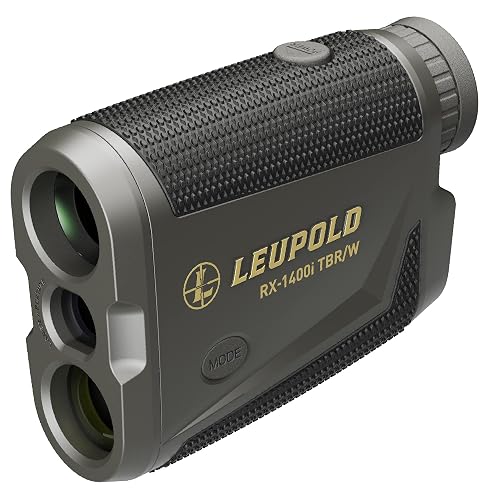
- A rangefinder and a range card for your shooting lanes
Common Mistakes
| Mistake | Why it gives you away | Fix |
|---|---|---|
| Setting up in an open field | The blind becomes the highest object on the skyline | Move to edge cover or add brush around the base |
| Ignoring wind shifts | Scent carries into the travel corridor | Check wind before every sit and reposition |
| Leaving mesh gaps | Light and movement show through | Inspect seams and zippers before each season |
| Bright clothing or screens | Contrast breaks the concealment | Wear dark layers and keep devices off |
| Moving constantly | Deer notice repeated motion | Stay still and shoot from a settled position |
For a broader look at why deer still spot a blind even when it looks solid, see Why Can Deer See Through My See Thru Hunting Blind? 6 Causes and Fixes. If you are comparing ground-level options, See Through Hunting Ground Blind: How to Set One Up So Deer Don't Spot You covers placement in more depth.
Tips
- Enter and leave the blind the same way each time, on the same trail, to avoid creating new scent and foot paths.
- Set up the blind several days before the hunt so deer get used to it.
- Test the view from your seat at the start of the season and again after any repairs.
- Replace worn mesh before it tears, since small holes grow quickly.
Recommended gear
A few supporting items make a mesh blind work better in real conditions.
- Ground anchors or stakes keep the frame from shifting in wind, which prevents gaps from opening during a sit. View on Amazon
- Scent control clothing reduces human odor that can carry through the mesh window to nearby deer. View on Amazon
- A wind indicator helps you confirm the breeze direction before each entry so you can plan your approach. View on Amazon
FAQ
Can deer see through a mesh hunting blind?
Deer can sometimes make out shapes and movement, especially in bright conditions or when the blind is in the open. The mesh reduces the visual outline and blurs detail, but it does not make you invisible. Good placement, a dark interior and minimal movement matter as much as the fabric.
What mesh density is best for a see through mesh hunting blind?
A medium density suits most hunters because it balances concealment with visibility. Tighter mesh works well in open country with long sight lines, while coarser mesh helps in low light when you need to see your target clearly.
Should I use a see through mesh blind in the rain or snow?
Mesh blinds can be used in wet weather, but the fabric may sag or hold moisture, and it can lose its concealment in snow if the color contrasts with the ground. Check the manufacturer’s guidance on weather use and bring a camouflage cover or snow-matched brush for winter sits.
How far from the trail should I place the blind?
Many hunters set the shooting window within 20 to 30 yards of the travel route for bow or shotgun setups, though your weapon, skill and local rules should set the final distance. Always confirm the range with a rangefinder before you hunt.
Do I need to scent-control the inside of the blind?
Yes, scent control helps. Keep the interior clean, store gear in sealed bags and avoid bringing food inside. Wind shifts still carry scent through any gap, so inspect the blind and clothing before each sit.
How often should I replace the mesh?
Inspect mesh at the start of each season and after heavy use. Replace panels once they develop tears, loose seams or sun-faded areas that show through. Manufacturers typically describe mesh lifespan in terms of exposure and care, so check your product’s documentation.
Is a mesh blind legal everywhere?
Blind rules vary by state and by property type. Check your state wildlife agency’s regulations and any landowner requirements before setting up a blind on public or private ground. Consult the local agency if you are unsure.
Can I leave a mesh blind up for the whole season?
Many hunters leave blinds in place, but some public lands restrict this. Confirm the rules first, and check the blind regularly for wear, weather damage and any signs that wildlife or other hunters have disturbed it.
Conclusion
A see through mesh hunting blind works best when you pick a density and color that fit your cover, place it in natural shade with the wind in your favor, and keep the interior dark and your movement minimal. Inspect the mesh and frame before each season, and check the wind every time you enter. With careful setup, the blind gives you a concealed view that is hard for deer to read.
Related reading
Ready to choose one?
About Owen Palmer
Owen Palmer is part of our editorial team and reviews and edits our hunting guides, checking product details against manufacturer specifications and owner feedback.