By Owen Palmer
Updated November 2026
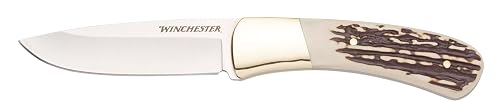
Hidden tang hunting knife blanks are unfinished blades with a tang that sits inside the handle rather than running its full length through the scales. This drop point D2 blank with a brass finger guard is aimed at makers and hobbyists who want to build a fixed blade hunting knife from raw steel. It suits someone who already has basic grinding, drilling and handle-fitting tools and is comfortable spending an evening or two on finishing work. It is a poor fit for a buyer who wants a ready-to-carry hunter out of the box, or for anyone who has never shaped a handle before and does not want to learn on a blank that cannot be easily replaced.

Drop Point D2 D-2 Steel Partial/Hidden Tang Knife Blank +Brass Finger Guard for Custom Making Knives Blade Blades Blanks Hunting
Product Overview
This listing is for a drop point blade blank in D2 tool steel, sold as a partial or hidden tang piece with a brass finger guard already attached. The name describes the core purpose: the buyer receives the steel profile and guard, and the handle, pins and final grinding are left to the builder. Drop point blades have a belly that curves down toward the tip, which gives a broad working edge for field dressing and general cutting tasks. Hunters who build their own knives often choose this profile because it balances tip control with edge length.
Because it is a blank, the value of the product depends on what you plan to do with it. Some buyers want a hunting knife tailored to their hand size and sheath preference. Others want a practice piece to learn heat treatment or handle construction before moving to more expensive steel. The listing is intended for custom knife making, so it should be treated as raw material rather than a finished tool.
Key Features & Specifications
The table below lists only the details that the product name states or that are well established for this type of D2 hidden tang blank. Confirm exact dimensions with the seller before ordering, since blank sizes can vary between listings.
| Feature | Details |
|---|---|
| Blade style | Drop point |
| Steel | D2 tool steel (D-2) |
| Tang type | Partial or hidden tang |
| Guard | Brass finger guard, included |
| Intended use | Custom hunting knife making |
| Form | Unfinished blank, requires grinding, heat treatment and handle assembly |
D2 is a high-carbon, high-chromium tool steel. Manufacturers and knife makers generally describe it as holding an edge for a long time and offering good wear resistance, though it is harder to sharpen by hand than simpler steels and needs careful heat treatment to reach its best hardness.
Pros & Cons
Pros
- D2 steel is widely regarded among makers for edge retention and wear resistance.
- The drop point profile is versatile for skinning, cutting and general camp work.
- The brass finger guard is already attached, saving a fitting step.
- The hidden tang design lets the builder choose handle material and shape without a full-length tang showing.
- Good starting point for a first custom build if the buyer already has the right tools.
Cons
- It is an unfinished blank, so it is not usable as a knife until grinding, heat treatment and handle work are complete.
- D2 requires controlled heat treatment; mistakes can leave the blade brittle or too soft.
- Sharpening D2 by hand is slower than with many common steels.
- Buyers without a grinder, drill press and handle materials will need additional purchases.
- Specific dimensions and finish quality can vary, so checking the listing carefully is important.
Performance Analysis
Performance for a blank depends on how well it is finished, so this analysis is based on the steel and geometry rather than any single finished knife. D2 tool steel generally performs well in long-term edge holding, which matters for hunters who field dress game and then need to cut through hide and connective tissue without frequent stops to sharpen. Owners and makers commonly report that D2 takes a durable edge but benefits from a patient sharpening routine using diamond or ceramic stones.
The drop point shape supports controlled tip work while keeping a generous belly for slicing. Many hunters prefer this profile for skinning because the blade follows the contour of the animal without the tip being too thin. The brass guard adds protection for the hand during forward pressure cuts, though its effectiveness depends on handle length and the finished grip shape the builder chooses.
Heat treatment is where most of the performance difference will come from. D2 hardens at high temperatures and must be quenched and tempered correctly. Makers who follow published heat treat schedules for D2 and use a controlled furnace typically report consistent results. Those who skip or rush this step may find the blade either too soft to hold an edge or too brittle for field use. Consult a qualified knife maker or heat treat service if you are unsure about this process.
Who Should Buy This Product?
This blank suits experienced hobbyists and first-time makers who have some metalworking background and want a durable steel for a hunting knife. It is also a reasonable choice for a builder who wants to make a gift or a personal skinner with a handle design of their own. Buyers who plan to sell finished knives should check local laws and expectations for blade marking and labeling.
Skip this product if you want a finished knife for the next hunt, if you have no way to grind or heat treat steel, or if you are unwilling to accept the risk of ruining a blank through a mistake in the forge or furnace. A pre-finished fixed blade from an established maker is a better choice in those cases.
Buying Guide
Before buying any hidden tang blank, decide on the blade profile you need. Drop point suits general hunting and skinning. Clip point and trailing point profiles offer different tip geometry for piercing or detailed work. Check the overall length and edge length against your intended use; many hunters find a 3.5 to 4.5 inch working edge comfortable for field tasks, though personal preference matters more than any single number.
Next, consider the steel. D2 is a strong choice for edge retention, but simpler steels such as 1095 or 52100 are easier to heat treat for a beginner. If you are building your first knife, you may want to practice on a less expensive steel before committing to D2. Also check whether the blank includes a guard, a tang length you can work with, and whether the thickness is consistent across the blade.
Finally, plan your tools and materials. You will need abrasives, a way to drill pin holes, epoxy or pins suited to your handle material, and a reliable heat treatment method. Well-known alternatives in the blank category include the Morakniv Knife Blade Blank Classic No. 2, which is a carbon steel blank with a 4.1 inch blade and a simpler profile suited to first projects. Another option is the Handmade Bavarian Damascus Blade Blank, a hand-forged damascus piece with an 8.66 inch overall length and a 3.93 inch edge, better suited to builders who want a decorative pattern and a larger blade.

Morakniv Knife Blade Blank Classic No. 2, 4.1" Long Blade

Handmade Bavarian Damascus Blade Blank – One-Piece Hand-Forged Steel for Knife Making, Hunting, Skinning & Crafting – 8.66" Overall, 3.93" Edge – Premium Forged
If you want more background before choosing, read Hunting Knife Blade Blanks: What They Are and How to Finish One (2026) for the basic process, and D2 Hunting Knife Blanks: How to Choose and Finish One (2026) for D2-specific finishing notes. The article Skinning Knife for Hunting: How to Choose and Use One (7 Steps) covers how the blade you finish will be used in the field.
FAQ
What does a hidden tang hunting knife blank include?
A hidden tang blank is typically a steel blade shape with a tang section that will sit inside the handle. Depending on the listing, it may include a guard. It does not include a finished handle, sheath or final edge.
Is D2 steel good for a hunting knife?
Many makers consider D2 a strong choice for edge retention and wear resistance. It is harder to sharpen by hand than some simpler steels and requires careful heat treatment, so it may not suit a beginner’s first project.
Do I need special tools to finish a blank like this?
Most builders use a belt grinder or files for shaping, a drill press or hand drill for pin holes, epoxy or pins for the handle, and a furnace or heat treat service for hardening and tempering. Hand tools alone are possible but take much longer.
Can a beginner heat treat D2 at home?
It is possible but demanding. D2 needs precise temperature control and a correct quench and temper schedule. If you lack a controlled furnace, consider sending the blade to a commercial heat treat service or consulting an experienced knife maker.
Is a drop point blade good for field dressing?
Drop point blades are widely used for skinning and general cutting because the belly provides a long, controlled edge. Many hunters find them versatile, though the best profile depends on personal technique.
What is the difference between a hidden tang and a full tang knife?
A full tang runs the entire length of the handle and is usually visible on the grip sides. A hidden tang ends inside the handle, so the handle material covers the steel. Full tang designs are often considered more robust, while hidden tang designs allow more handle shaping options.
Should I check local laws before building a knife?
Yes. Rules about blade length, concealed carry and selling homemade knives vary by location. Check your local regulations and consult a legal professional if you plan to sell finished pieces.
Final Verdict
This D2 drop point hidden tang blank with a brass guard is a sound choice for experienced hobbyists and makers who want a durable steel for a custom hunting knife. Its strengths are the steel itself, the versatile profile and the included guard. Its limits are that it is raw material, not a finished tool, and that D2 rewards careful heat treatment and patient sharpening. Beginners who are unsure about these steps should start with a simpler blank before moving to D2.
Before you buy: helpful guides
Related reading
- Zdp 189 Hunting Knife Review: Features and Performance
- Where Is the Long Dark Hunting Knife Location? Finding It Fast
About Owen Palmer
Owen Palmer is part of our editorial team and reviews and edits our hunting guides, checking product details against manufacturer specifications and owner feedback.