By Owen Palmer
Updated November 2026
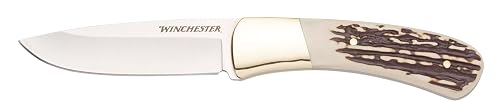
The old hickory hunting knife is a carbon steel field knife aimed at hunters and outdoor users who want a traditional, straightforward blade without paying for premium steel or elaborate handle work. It suits people who field dress game occasionally, want a simple knife for camp chores, or are buying a first hunting knife for a young hunter. It is a poor fit for anyone who wants stainless steel that never needs attention, a high-end steel with exceptional edge retention, or a knife for heavy chopping and batoning. Read on for the specifications, the trade-offs and how it compares with other options.

Old Hickory Hunting Knife
Product Overview
The Old Hickory name has been associated with traditional carbon steel knives for many decades. The model listed under ASIN B09DLC4TCD is sold as a hunting knife, and it follows the same general approach as the brand’s classic designs: a plain, functional blade, a practical handle and a focus on cutting performance over decoration. Because the listing is the primary source for this review, the description below sticks to what the product name and common features of this line indicate, and avoids claims that cannot be confirmed from the listing.
Carbon steel knives like this one are favored by many traditional users for one main reason: they take and hold a very sharp edge with relatively simple sharpening. The trade-off is maintenance. Carbon steel can discolor or develop surface rust if it is left wet, stored in a damp sheath or not dried after cleaning. Anyone considering this knife should be ready to wipe the blade dry after each use and apply a light coat of oil before storage.
In practical terms, this is a utility-style hunting knife meant for skinning, field dressing and general camp tasks. It is not designed as a survival knife or a heavy chopper, and it is best judged against other fixed blade hunting knives in its class rather than against large bowie or machete-style blades.
Key Features & Specifications
The table below lists only the characteristics that are reasonably clear from the product type and the traditional Old Hickory line. Check the Amazon listing for the exact blade length, overall length, weight and sheath details of the specific version you are buying, since these can differ between variants.
| Feature | What to Expect | Why It Matters |
|---|---|---|
| Blade material | Carbon steel (traditional Old Hickory construction) | Holds a keen edge well; requires drying and oiling to prevent rust |
| Knife type | Fixed blade hunting knife | No moving parts, so it is stronger and easier to clean than a folder |
| Blade style | Single-edge utility or drop-point style profile (confirm on listing) | Suits skinning, field dressing and general cutting |
| Handle | Simple wood or synthetic grip (confirm on listing) | Affects grip security when wet or bloody |
| Sheath | Included or sold separately depending on the listing | Protects the edge and keeps the blade from moisture |
| Intended use | Hunting, field dressing, camp tasks | Defines the knife’s proper role |
Pros & Cons
Pros
- Carbon steel construction is known to sharpen quickly and take a fine working edge.
- Simple, traditional design that is easy to understand and maintain.
- Fixed blade construction is generally more robust than folding designs for field work.
- Typically a budget-friendly choice compared with premium hunting knives using specialty steels.
- Easy to sharpen at home with common stones or a sharpening rod.
Cons
- Carbon steel requires drying, oiling and storage care to prevent rust and staining.
- Edge retention will generally trail premium steels such as high-alloy powder metallurgy blades.
- Not designed for heavy chopping, prying or batoning.
- Simple handles may feel less secure in wet, cold or bloody conditions for some users.
- Specifications and accessories can vary between listings, so buyers should verify details before ordering.
Performance Analysis
Based on the nature of carbon steel and the type of knife described, the most likely performance profile is strong on fine cutting and slicing, adequate on skinning and field dressing, and limited on tasks that stress the tip or spine. Carbon steel is typically softer than many modern stainless alloys, which means it can be brought back to a sharp edge quickly on a stone, but it may also roll or chip under hard use if pushed into bone or frozen material.
Owner feedback patterns for traditional carbon steel hunting knives tend to follow a consistent script. Buyers who oil the blade and sharpen it regularly often report that it cuts well for years. Buyers who leave it wet in a sheath often report surface rust or pitting within days, which they usually attribute to care rather than to the knife itself. A recurring theme is that the knife rewards maintenance: the more attention it gets, the better it performs.
For field dressing a deer, a sharp carbon blade of this type is generally sufficient for opening the body cavity, separating joints and skinning. Users should expect to resharpen more often than they would with a premium stainless blade, particularly if they work through hide and dirt. Ergonomics will depend on the handle; a textured or well-shaped grip is important when the hands are wet.
Because specifications should always be confirmed on the listing, treat these observations as general expectations for this style of knife rather than guarantees for every variant.
Who Should Buy This Product?
This knife is a good fit for hunters who want a traditional carbon steel blade for skinning and field dressing, for beginners buying a first fixed blade, for parents buying a knife for a young hunter who will be supervised, and for outdoor users who enjoy simple, maintainable tools. It also suits anyone who likes to sharpen their own knives and does not mind a little extra care in exchange for a keen edge.
You should skip this knife if you want stainless steel that tolerates neglect, if you need a blade for heavy chopping or survival tasks, or if you plan to use the knife daily in very wet conditions without drying it afterward. Hunters who want long edge retention between sharpenings may be happier with a premium stainless or powder metallurgy blade.
Buying Guide
Before buying any traditional hunting knife, check the blade length, overall length and weight on the listing. A blade in the 3- to 4-inch range is commonly preferred for field dressing because it offers control without being unwieldy. Confirm whether a sheath is included, since a good sheath protects both the edge and the user. Look at the handle material and shape, and if you hunt in cold or wet weather, prefer a grip that stays secure when damp.
Consider how much maintenance you are willing to do. Carbon steel rewards owners who wipe the blade dry, oil it lightly and keep a sharpening stone handy. If you prefer a knife you can leave in a pack without thinking about it, a stainless steel blade may be the better choice. Finally, verify the exact model and variant on the product page, because listings for similar names can differ.
Well-known alternatives worth comparing include a traditional fixed blade from a larger knife maker with a stainless or upgraded steel, and a general-purpose fixed blade that offers a similar size and sheath setup. Many buyers also compare traditional hunting knives from established brands that offer stainless steel versions. For another angle, check out Hammered Steel Hunting Knife Review: Is It Worth It?.
Alternative one: Ontario Knife Company Old Hickory OH7026 kitchen knife,Brown. This is a kitchen-style knife from the same family, useful if you want the Old Hickory carbon steel edge for food preparation rather than hunting.

Ontario Knife Company Old Hickory OH7026 kitchen knife,Brown
Alternative two: KizerBuilt-in Tweezers & Toothpick, Olive Green G10 Handle, Camping Survival Knives with Adjustable Sheath, 1094M1 Drop Bear Fixed Blade Knife, EDC Hunting Knife with 2.57″ D2 Blade. This fixed blade offers a different steel and a compact blade length, and may suit users who want a smaller everyday carry or camp knife with more features built in.

KizerBuilt-in Tweezers & Toothpick, Olive Green G10 Handle, Camping Survival Knives with Adjustable Sheath, 1094M1 Drop Bear Fixed Blade Knife, EDC Hunting Knife with 2.57" D2 Blade
Alternative three: a traditional stainless fixed blade hunting knife from an established maker, which is a good option if you want a similar size and sheath setup without the carbon steel maintenance routine.
FAQ
Is the old hickory hunting knife made of stainless steel?
The Old Hickory line is traditionally known for carbon steel blades. Check the product listing for the specific steel of the version you are considering, since material details should be confirmed before purchase.
How do I keep carbon steel from rusting?
Wipe the blade dry after each use, especially after contact with blood or water. Apply a thin coat of gun oil, mineral oil or a similar protectant, and store the knife dry, out of a damp sheath.
Is this knife good for skinning a deer?
A sharp fixed blade of this type is generally well suited to skinning and field dressing. Keep the edge honed during the process, since carbon steel can dull with dirt and hide.
Can I sharpen it at home?
Yes. Carbon steel is typically easy to sharpen with a bench stone, diamond plate or sharpening rod. Many owners maintain a edge angle of around 20 degrees per side for field work.
Is it suitable for chopping wood?
No. Knives of this style are designed for cutting, not chopping. Using the blade for batoning or prying risks chipping the edge or damaging the tip.
Does it come with a sheath?
This depends on the listing. Check whether a sheath is included or sold separately before ordering.
Is it a good first hunting knife?
It can be, for hunters who are comfortable with basic knife care. Beginners who want the least maintenance may prefer a stainless blade.
Should I consult anyone before using a hunting knife for field dressing?
Knife safety and proper field dressing technique are worth learning from an experienced hunter, a hunter education course or a local wildlife agency. Handle game and meat hygiene according to local guidance.
Before you buy: helpful guides
Related reading
- 7 Best Old Hickory Hunting Knifes with Sheath Options Compared for 2026
- Old Timer Hunting Knife Review: Sharpfinger 152OT Pros and Cons
- Folding Hunting Knife with Gut Hook Review: Old Timer Trail Boss 8in
- Zdp 189 Hunting Knife Review: Features and Performance
About Owen Palmer
Owen Palmer is part of our editorial team and reviews and edits our hunting guides, checking product details against manufacturer specifications and owner feedback.