By Owen Palmer
Updated November 2026
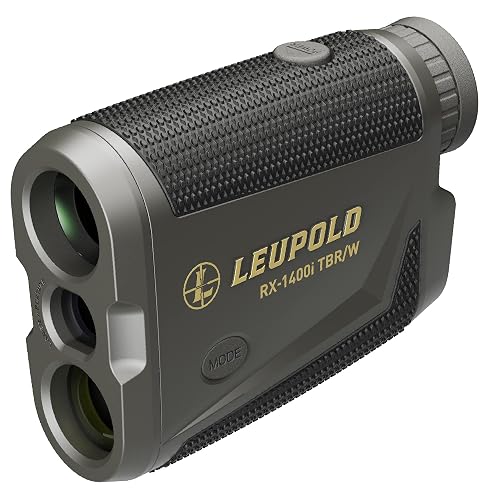
A leupold full draw rangefinder is a laser ranging tool that mounts on or near your bow or gun so you can read distance quickly, often without taking your eye off the target. This guide walks you through setup, basic ranging, and the habits that keep your readings consistent when a deer is standing in brush at 40 yards.
Know What You Are Working With Before the Season
Most Leupold-branded hunting rangefinders share the same basic workflow: power on, aim at a target, press the measure button, and read the distance on the display. Before you rely on one in the field, check the owner’s manual for your exact model, since button layouts, mode names and display options vary between releases.
Shopping for one? See our guide: 5 Best Rangefinder Golfs with Slope Picks for Accurate Yardage (2026).
Install a fresh battery before the season starts. Weak batteries are the most common reason owners report dim displays or missed readings in cold weather, so carry a spare and check the battery type printed in the manual.
Setting Up Your Rangefinder for Hunting
Set up the unit at home, not in the stand. Work through these steps:
- Confirm the display units are set to yards if that is how you think about shot distance.
- Select the ranging mode that fits your hunt. Many hunters use a standard distance mode for general ranging and a scan or continuous mode for tracking moving animals.
- Check whether your model offers an angle-compensation or inclination setting. This matters when shooting uphill or downhill from a tree stand.
- Range a few fixed objects at known distances, such as a fence post or a building you have measured with a tape, to confirm the readings are believable.
Taking an Accurate Reading in the Field
Good readings depend on your technique as much as the device. Steady the unit with both hands or rest it on a stable surface, and aim at the spot where your arrow or bullet will strike, not at the most visible part of the animal. A deer’s shoulder area is usually the right reference point.
If the target is behind thin brush, the laser may return a distance to the leaves instead of the deer. Range the branches, then range the open ground beyond them, and use the shorter reading when you are unsure. Many hunters also take two or three readings and compare them before deciding.
Ranging Through Weather and Light
Rain, fog and snow can reduce how far the laser reaches and how reliably it returns. Early morning and late evening light can make the display harder to read, so practice with the brightness setting before the hunt. If readings jump around, move closer or wait for a clearer moment rather than guessing.
Common Mistakes to Avoid
- Ranging the brush in front of the animal instead of the animal itself.
- Skipping the angle setting when shooting steeply up or down, which can leave your yardage off by a meaningful margin.
- Testing the unit for the first time on opening morning.
- Forgetting to recheck your battery before the season and mid-season.
- Trusting a single reading when the target is partially obscured.
Recommended Gear
- Spare CR2 batteries: Many compact hunting rangefinders use this battery type, so a spare pack in your pocket keeps you ranging if the main one fails. View on Amazon
- Rangefinder carrying case: A padded case protects the lens from scratches and keeps the unit out of rain when it is not in use. View on Amazon
- Bow or rifle mount: A stable mount keeps the unit aligned with your sight line so readings match your shot. View on Amazon
For related setup guidance on other models, see Vortex Ranger 1500 Rangefinder: Setup, Use and Tips for Hunters and How Does a Laser Rangefinder Work: Step-by-Step Guide for Hunters.
FAQ
Does a leupold full draw rangefinder work at full draw?
Many hunters use these units while at full draw, but whether a particular model is designed for that use depends on its size, mounting options and button access. Check the manufacturer’s specifications for your model before relying on it that way.
Why does my reading change when I range the same deer twice?
Small changes in aim point, brush interference or your hand position can shift the reading. Take several readings on the same spot and use the most consistent one.
How often should I replace the battery?
Replace it when the display dims noticeably or readings become unreliable, and always carry a spare during the season. Consult the owner’s manual for battery type and any guidance on replacement intervals.
Conclusion
A leupold full draw rangefinder is only as good as the setup and habits behind it. Configure the unit at home, practice readings on known distances, and learn to spot when brush or weather is throwing off your numbers. Do that and you will shoot with more confidence when the moment comes.
Related reading
- Which Golf GPS Rangefinder App Is Right for You? Features and Setup Tips
- Spotting Scopes with Rangefinder: How to Choose One That Fits Your Hunting
Ready to choose one?
About Owen Palmer
Owen Palmer is part of our editorial team and reviews and edits our hunting guides, checking product details against manufacturer specifications and owner feedback.